
What makes a home near the Brooklyn Heights Promenade feel different from a home just a few blocks away? In this part of Brooklyn, the answer is not just price or prestige. It is the combination of elevated waterfront views, protected sightlines, historic streets, and easy access to open space that creates a distinct way of living. If you are buying or selling here, understanding that full picture can help you see why promenade living carries lasting appeal. Let’s dive in.
Promenade living starts with place
In Brooklyn Heights, “promenade living” refers to life near the neighborhood’s western edge, where the Brooklyn Heights Promenade sits above the BQE and waterfront uses below. City planning documents describe the Promenade as a public open space extending from Orange Street to Remsen Street, and they also note that Brooklyn Heights sits on an elevated plateau along the East River. That geography is a major reason the area is so closely tied to harbor and skyline views rather than typical street-level outlooks.
This setting gives the neighborhood a sense of separation from the pace of the city without removing you from it. You are still close to Downtown Brooklyn and Manhattan, but the physical rise of the neighborhood changes how the streets and views unfold around you. That difference is central to what buyers and sellers mean when they talk about promenade living.
Views are part of the value
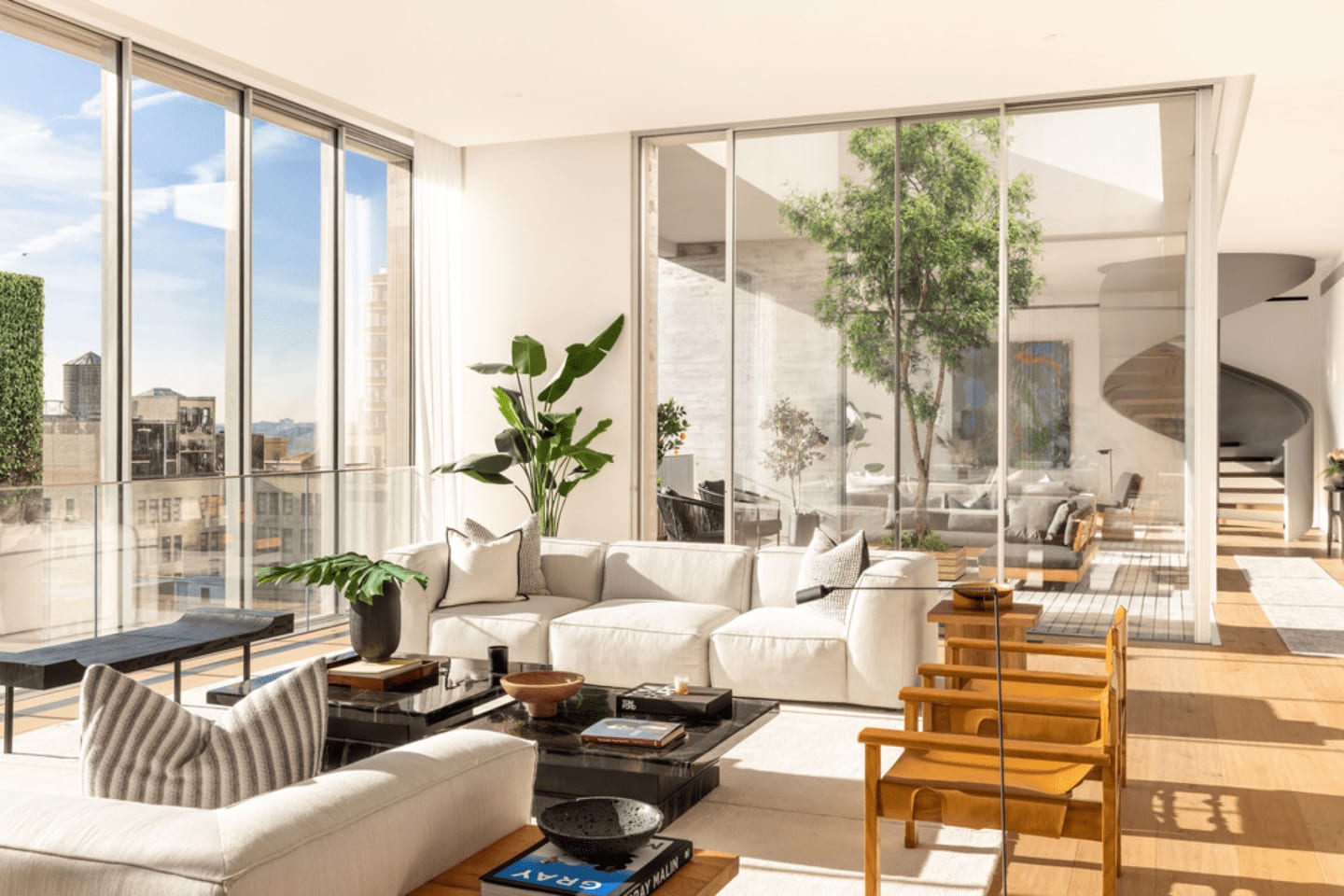
One of the biggest reasons promenade-adjacent homes are so coveted is that the openness of the view is not accidental. The SV-1 Brooklyn Heights Scenic View District established a view reference line along the Promenade’s westerly face, and new structures cannot penetrate that protected view plane without a special permit.
In simple terms, that means the skyline and harbor outlooks tied to this area are treated as a public asset, not just a passing amenity. For you as a buyer or seller, that matters because view permanence often plays into long-term value. A protected sightline can shape demand in a way that is hard to replicate elsewhere.
Brooklyn Bridge Park expands the lifestyle
Promenade living is also bigger than the Promenade itself. Brooklyn Bridge Park adds another layer to the lifestyle with 85 acres of waterfront parkland, riverfront promenades, gardens, and city views. The park stretches 1.3 miles along the East River, sits next to Brooklyn Heights and DUMBO, and is open daily with free entry.
For many buyers, this is part of the appeal bundle. You are not just near a famous overlook. You are also near extensive waterfront recreation and open space that adds flexibility to daily life, whether that means a morning walk, time outdoors, or simply easier access to the riverfront.
Historic character shapes the experience
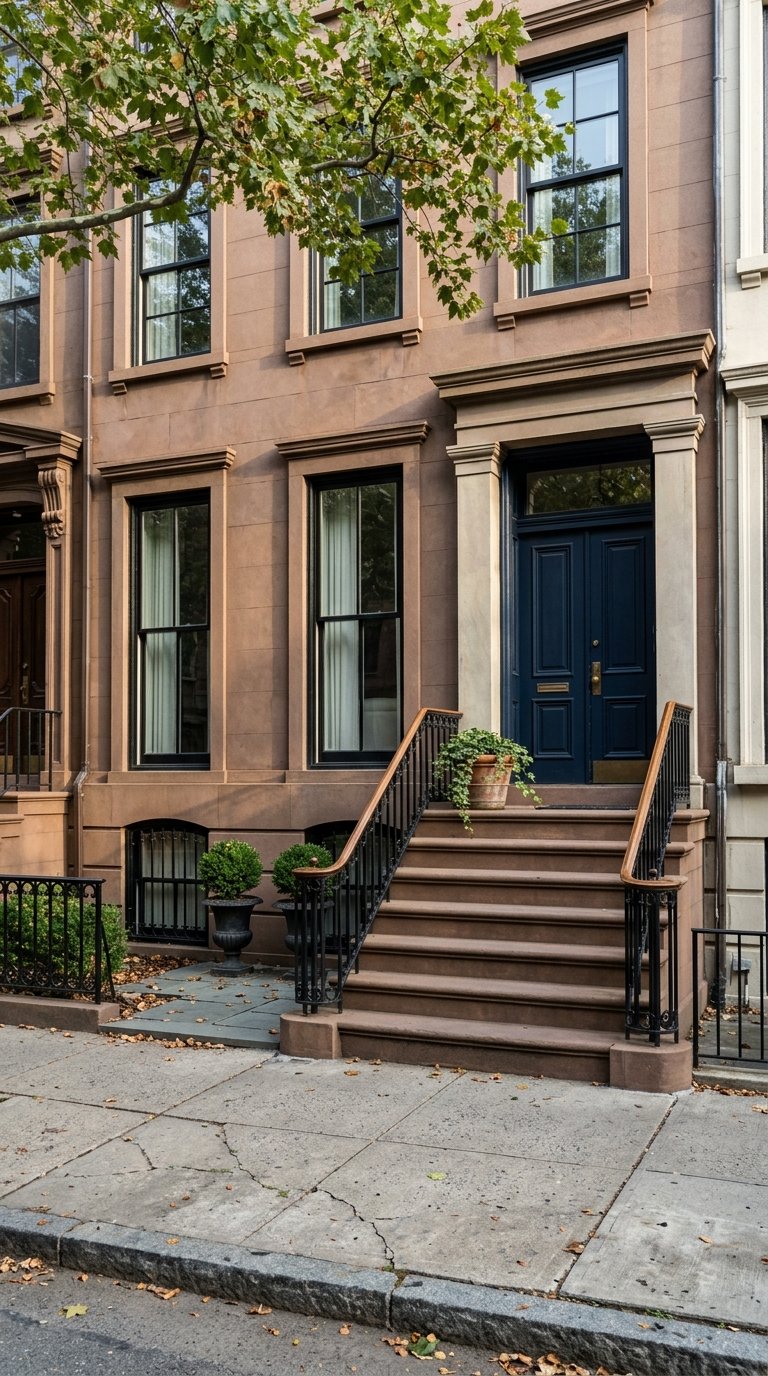
Brooklyn Heights was New York City’s first neighborhood historic district, and designation materials describe it as a residential neighborhood that retains much of the atmosphere of a 19th-century urban community. The area is known for brick and brownstone houses, tree-lined streets, and architecture that includes Federal, Greek Revival, Gothic Revival, and Italianate styles.
That historic framework does more than create visual charm. It also helps preserve the small-scale streetscape that makes this section of Brooklyn Heights feel distinct. When you live near the Promenade, the experience is not only about what you see looking west. It is also about what you walk through every day on the way there.
Not every block feels the same
One of the most useful things to understand about Brooklyn Heights is that “near the Promenade” is more precise than simply “in Brooklyn Heights.” The historic district report notes that larger houses are found on Pierrepont, Remsen, and Columbia Heights, while smaller houses appear on Willow, Hicks, Joralemon, Orange, Pineapple, and Clark. It also identifies Montague Street as the principal shopping street.
That block-by-block variation matters when you assess value. A home’s exact location can influence scale, architecture, light, and access to both the Promenade and neighborhood services. For that reason, buyers often compare homes not just by size or finish, but by how a specific block feels and functions.
The neighborhood stays residential in feel
Even with its location near major transit and business centers, Brooklyn Heights is still widely seen as calm and residential in character. StreetEasy’s Brooklyn Heights neighborhood page describes the area as feeling like a small town, points to the Promenade’s iconic views of Lower Manhattan and the Brooklyn Bridge, and notes the mix of high-end townhouses and smaller co-ops.
That mix is part of what makes promenade living so compelling. You get the presence of a world-class waterfront edge, but the neighborhood itself can still feel intimate and walkable. For many buyers, that combination is difficult to find elsewhere in New York City.
Buyers evaluate more than square footage
If you are shopping near the Promenade, you will likely notice that price alone does not tell the whole story. Buyers in this part of Brooklyn Heights often weigh a broader group of factors, including:
- Protected views
- Floor height
- Corner exposures
- Terrace or rooftop access
- Landmark character
- Walkability to Brooklyn Bridge Park
- Proximity to Montague Street
These priorities reflect the area’s unique value structure. In many neighborhoods, the conversation starts with square footage and finishes. Here, the setting itself can be just as important as the apartment or townhouse.
Sellers benefit from a durable premium
If you are selling a home near the Promenade, it helps to frame the value as a durable package rather than a single feature. The strongest interest often centers on homes that preserve light and sightlines or sit on blocks with especially strong historic character.
That premium tends to come from several elements working together: elevated views, low-rise streetscapes, landmark context, and immediate access to waterfront open space. When those features align, they create a living experience that feels hard to substitute. That is often where pricing power and buyer urgency begin.
Market conditions still matter
Even in a premium neighborhood, broader market dynamics shape your strategy. StreetEasy’s 2025 buyer report says Brooklyn Heights was among the neighborhoods where buyers could find more options because inventory rose and asking prices fell year over year. At the same time, the report notes that Brooklyn remained the most competitive sales market in NYC.
That mix creates a nuanced picture. A desirable location does not make every listing move the same way, and an active market does not eliminate negotiation. It means buyers may have more choices than before, while sellers still benefit from a neighborhood with lasting demand drivers.
Timing and property type influence the search
According to StreetEasy’s current neighborhood snapshot, Brooklyn Heights has a sales median days on market of about 79 days. That figure suggests a market with meaningful movement, but also enough variation to reward careful pricing and positioning.
The neighborhood’s housing mix is part of that story. High-end townhouses, co-ops, and other property types do not trade exactly the same way. A promenade-adjacent home with strong exposure or notable historic detail may attract attention for different reasons than a home whose appeal centers more on layout or value.
Why promenade living keeps its pull
The clearest way to define promenade living in Brooklyn Heights is as an environment premium. It combines protected views, historic streetscapes, and access to waterfront open space in a place that still feels residential and small-scale even though it sits close to Downtown Brooklyn and Manhattan.
That is why this pocket continues to stand out. It is not just about being near a landmark. It is about living in a setting where geography, design, regulation, and public space all reinforce one another.
If you are thinking about buying or selling in Brooklyn Heights, the details behind promenade living can shape everything from home search priorities to pricing strategy. When a neighborhood’s value comes from both what is built and what is protected, local insight matters. To explore your next move with a team that understands how to position exceptional homes and lifestyle-driven demand, connect with SERHANT..
FAQs
What does promenade living mean in Brooklyn Heights?
- Promenade living in Brooklyn Heights generally means living near the neighborhood’s western edge by the Brooklyn Heights Promenade, where elevated topography, waterfront access, and skyline views define the experience.
Why are Brooklyn Heights Promenade views so valuable?
- The views are especially valuable because the Brooklyn Heights Scenic View District protects key sightlines from the Promenade, which supports the long-term appeal of nearby homes.
How does Brooklyn Bridge Park affect Brooklyn Heights living?
- Brooklyn Bridge Park adds 85 acres of waterfront open space, promenades, gardens, and recreation next to Brooklyn Heights, which expands the everyday lifestyle benefits of living near the Promenade.
What should buyers look for near the Brooklyn Heights Promenade?
- Buyers often focus on factors like protected views, floor height, light, corner exposure, outdoor space, historic character, and walkability to both Brooklyn Bridge Park and Montague Street.
What should sellers know about homes near the Brooklyn Heights Promenade?
- Sellers should know that buyer interest often rises for homes that preserve light and sightlines or sit on especially distinctive historic blocks, since the premium here usually comes from a full package of location and environment.
Is Brooklyn Heights still competitive for buyers and sellers?
- Yes, StreetEasy’s 2025 buyer report shows that Brooklyn Heights offered more options as inventory rose and asking prices fell year over year, but Brooklyn still remained the city’s most competitive sales market overall.