

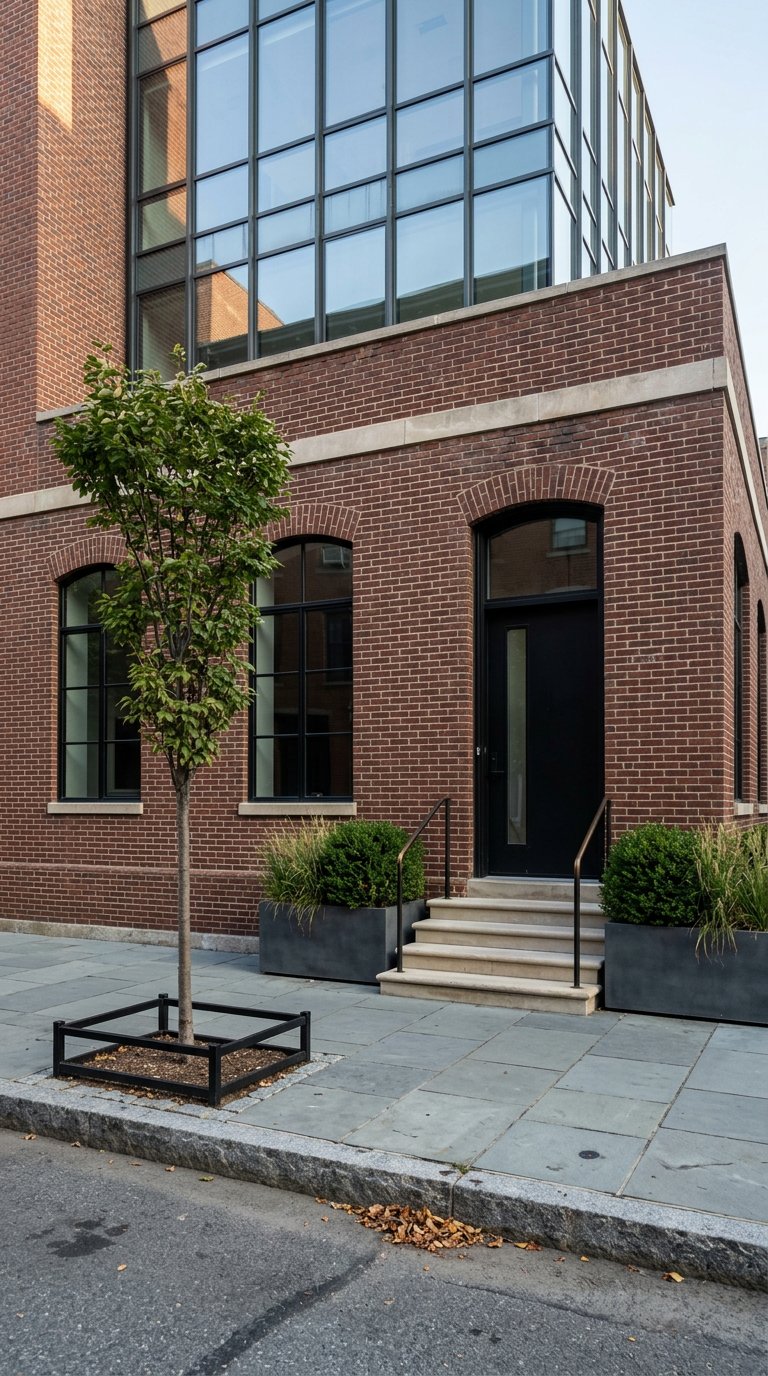
Torn between glass-and-steel skyline views and tree-lined brownstone blocks? If you are deciding where to buy in Jersey City, the choice often comes down to waterfront convenience or downtown character. You want the right mix of commute, space, cost, and long-term value. This guide breaks down prices, transit, amenities, risk, and ownership costs so you can choose with confidence. Let’s dive in.
Jersey City market snapshot
Jersey City is a dense, diverse, majority-renter market, with about 28% of homes owner-occupied, according to U.S. Census QuickFacts. Citywide home values recently hovered around the mid-$600Ks, and Downtown and waterfront areas tend to trade higher than the city average based on recent monthly snapshots. Average rent across Jersey City runs about $3,700 to $3,800 per month, with Downtown and waterfront submarkets often above the city average, per RentCafe’s Jersey City rental trends.
Waterfront living: what to expect
The waterfront corridor includes Exchange Place, Harborside, Newport, and Liberty Harbor. Buildings here are mid to high-rise, built in the last few decades, and often full-service with doormen, on-site gyms, and parking options. Many units are 1 to 2 bedrooms, with floor-to-ceiling windows and direct access to the Hudson River promenade.
Commute and transit
If speed to Manhattan is your top priority, the waterfront is hard to beat. Exchange Place is a PATH hub with direct service to the World Trade Center, and train time is often cited around 4 to 6 minutes, not counting station access and elevator time. Learn more about the area on the Exchange Place district page. Ferries from Paulus Hook also offer quick, direct service at a higher cost. Service patterns can change during upgrades, so check alerts and test your door-to-door trip. Recent PATH work has led to periodic closures, noted in local coverage like this service update summary.
Everyday life and retail
Expect skyline views, the Hudson River Waterfront Walkway, and easy access to larger-format retail and restaurants. Newport Centre anchors one part of the corridor, and parks dot the promenade. Many buildings include integrated amenities, so daily life can feel seamless.
Risk and insurance
Waterfront blocks may sit within or near FEMA floodplains. Before you bid, search the address on the FEMA Flood Map Service Center, request any elevation certificate, and get current flood quotes for the specific unit. Jersey City continues to plan and build resilience projects; review the city’s resiliency planning resources and ask sellers or boards about building-level protections like elevated mechanicals or deployable barriers.
Costs to model
Amenity-rich towers often carry higher HOA or condo fees that cover staffing, elevators, and shared utilities. Parking is commonly available at an extra monthly cost. Budget for taxes, insurance, and any required flood premium in addition to your mortgage.
Downtown and historic neighborhoods
Downtown inland neighborhoods include Grove Street, Van Vorst Park, Hamilton Park, and parts of Paulus Hook. They offer 19th-century streetscapes, pocket parks, and a local retail feel. Paulus Hook mixes low-rise historic charm with waterfront proximity. Nearby, Journal Square and The Heights extend the mix with mid-rise condos, brownstones, and multi-family homes. For a sense of the historic fabric, explore the city’s Van Vorst Park district overview.
Housing and price profile
You will see renovated brownstones and rowhouses, walk-up condo conversions, and smaller mid-rise buildings. Layouts vary and can include larger floor plans or multi-level homes. Prices swing by block and building, and inland options can offer more space for the price compared to tower product on the waterfront.
Commute and access
Grove Street PATH puts you close to both Lower Manhattan and Midtown lines, though Lower Manhattan typically takes a few minutes longer than from Exchange Place. Journal Square and The Heights can trade a longer commute for better value. Always run door-to-door trials at your actual commute times.
Street life and amenities
Downtown shines at the block level: Newark Avenue’s pedestrian plaza, pocket parks, markets, and small independent shops. Cultural and science venues are within easy reach. If you value ground-level energy and neighborhood-scale retail, these pockets deliver.
Parking and car tradeoffs
Many historic blocks have limited private parking. Most residents lean on street permits and local garages. Review resident permit rules and options through Jersey City’s Parking Division and factor any monthly garage fee into your budget.
Risk and resilience
Inland areas can sit outside higher-risk flood zones, but risk varies by block and elevation. Always verify an address on the FEMA map and confirm whether a lender will require flood insurance. The city’s resiliency initiatives continue to evolve and may improve risk profiles over time.
Waterfront vs downtown: quick picks
Waterfront high-rises
- Lifestyle: Full-service towers, amenity access, skyline views, waterfront parks.
- Commute: Fastest to WTC from Exchange Place; ferries add flexible options.
- Typical homes: 1 to 2BR condos or rentals with modern finishes and elevators.
- Price and rent context: Often above city averages; premium for views and proximity. Average city rent sits near $3,700 to $3,800 per RentCafe, and Downtown/waterfront areas often exceed that level.
- Risk note: Check FEMA flood zones and get address-specific flood quotes.
Downtown and historic pockets
- Lifestyle: Tree-lined streets, pocket parks, neighborhood-scale retail and dining.
- Commute: Grove Street PATH is efficient; longer trips from Journal Square and The Heights.
- Typical homes: Brownstones, low-rise condos, some mid-rise buildings; potential for larger layouts.
- Price and rent context: Broad range; many buyers find more space per dollar inland. Downtown submarkets regularly price at the higher end of the city and often rent above $4,000, per RentCafe’s Downtown data.
- Risk note: Flood exposure varies; verify each block and building.
Buyer checklist: narrow your search fast
- How many days each week will you commute, and where in Manhattan are you going? If the Financial District is your daily destination, start with Exchange Place or nearby; see the Exchange Place district overview.
- Do you need parking or would you trade it for a shorter commute? Review resident permit rules and building garage options.
- How many bedrooms and how much interior storage do you need? Compare tower 2BR layouts with brownstone or low-rise footprints.
- Is flood insurance likely at the address? Check the FEMA map and ask for elevation data and building mitigation details.
- What are the monthly HOA or condo fees and what do they cover? Request recent budgets, reserve studies, and minutes on planned projects.
- Are parks, grocery, and health services within a comfortable walk for your household? Visit at different times to gauge noise, lighting, and foot traffic.
How to choose: real scenarios
- You want a sub-30-minute door-to-door to the World Trade Center and value on-site amenities. Prioritize Exchange Place, Newport, and Paulus Hook towers. Confirm your route during rush hour.
- You want historic charm and a larger floor plan with a similar budget. Focus on Van Vorst Park, Hamilton Park, and blocks around Grove Street. Compare interior square footage and storage.
- You want value and can accept a longer commute a few days a week. Explore Journal Square and The Heights. Look at multi-family options if you want rental income potential.
- You own a car. Check parking for your short list. Waterfront towers may offer on-site garages at a fee. Many downtown blocks rely on street permits or nearby garages.
The bottom line
If you want the fastest commute and a high-amenity lifestyle, the waterfront delivers. If you want architectural character, neighborhood energy, and the possibility of more space per dollar, downtown and inland pockets shine. Both options have strong long-term appeal in Jersey City. Your best choice comes from testing your commute, walking blocks at different times, and modeling the full monthly cost, including HOA, taxes, insurance, and any flood premium.
Ready to find your fit? Reach out to the team at SERHANT. to tour curated options on both sides of the debate and move forward with clarity.
FAQs
Is the Jersey City waterfront worth a premium for FiDi commuters?
- If you commute to the World Trade Center, Exchange Place offers one of the fastest PATH rides at roughly 4 to 6 minutes of train time, which can justify a premium for many buyers.
How much are HOA fees in Jersey City high-rises?
- Fees vary by building and amenities; full-service towers with staffing and elevators often carry higher monthly costs, so request budgets, reserves, and recent board minutes.
How risky is flood exposure for waterfront condos in Jersey City?
- Many waterfront addresses are in or near FEMA flood zones; verify each property on the FEMA map, request elevation data, and get unit-specific flood insurance quotes.
Which neighborhoods offer larger 3+ bedroom options?
- Brownstones, townhomes, and some low-rise condos in Van Vorst Park, Hamilton Park, and nearby blocks often offer larger footprints compared to typical tower layouts.
What is the average rent in Jersey City right now?
- Recent reporting places average monthly rent around $3,700 to $3,800 citywide, with Downtown and waterfront submarkets often above that level, per RentCafe’s market data.