
What if your Hamptons address could give you ocean access, bay views, open farmland, and a deep sense of calm all in one place? If you are drawn to coastal living but want more breathing room than a dense village center can offer, Water Mill stands out. Here, you get a landscape shaped by beach, fields, and history, with easy access to the places that make the South Fork feel iconic. Let’s dive in.
Why Water Mill Feels Different
Water Mill is a hamlet in the Town of Southampton, set between Noyac to the north, Bridgehampton to the east, Mecox Bay and the Atlantic Ocean to the south, and Southampton Village and North Sea to the west. Montauk Highway and Deerfield Road serve as the main access routes, which helps keep you connected to nearby destinations across the Hamptons.
What makes Water Mill memorable is its contrast. The Town describes it as primarily agricultural and residential, and it has the most designated agricultural land of any hamlet in Southampton. That gives the area a layered feel, with quiet inland fields, large residential lots, and coastal edges that shape daily life.
A Landscape of Bay, Fields, and Ocean
Water Mill is best understood as a place of pockets rather than one tight downtown. On one side, you have ocean access and the shoreline energy that defines summer on the East End. In the middle, you find preserved open land and homes set on generous lots. Along Montauk Highway, you see the small commercial corridor that supports everyday errands and local character.
That variety is a big part of the appeal. You can start your day near Mecox Bay, head toward the beach, and still feel close to the pastoral scenery that has long defined the hamlet. For many buyers, that balance creates a strong sense of privacy without feeling disconnected.
Mecox Bay Adds a Softer Water Edge
On the bay side, Mecox Bay brings a different mood than the open Atlantic. The Town describes it as a roughly 1,100-acre shallow, brackish coastal pond system connected to the ocean by an inlet. That means Water Mill offers not just beach culture, but also a quieter waterside setting that adds dimension to the local lifestyle.
For you as a buyer, this mix matters. It creates a setting where open beach, protected water, and inland land use all exist within the same hamlet. Few places package those elements so naturally.
Flying Point Beach Anchors Ocean Access
Flying Point Beach is Water Mill’s key ocean access point in the Southampton Town beach system. In 2026, the Town says daily parking permits can be purchased there through the Passport app when parking is available, while walking, biking, or drop-off access is free.
The beach system opens Memorial Day weekend, runs on weekends through June, and then operates daily from July 1 through Labor Day, weather permitting. That seasonal rhythm is part of what gives Water Mill its summer-forward energy. If beach access is high on your list, this is one of the hamlet’s clearest lifestyle advantages.
Daily Life in Water Mill
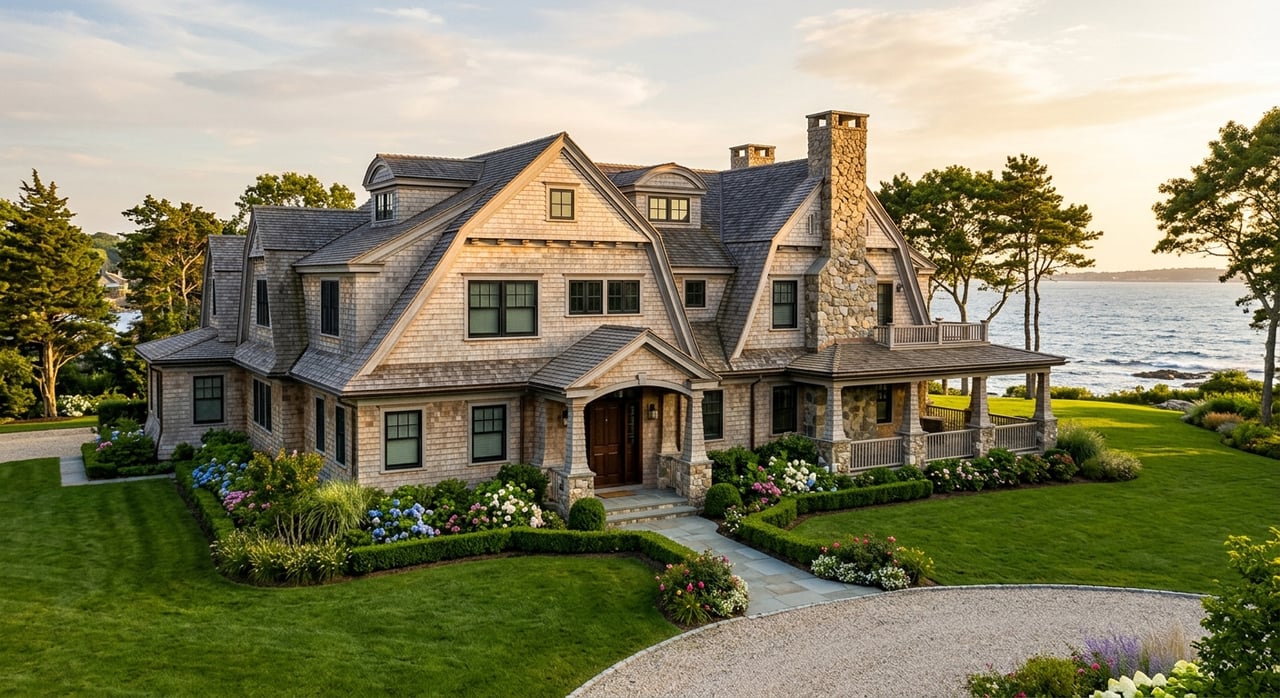
Water Mill does not revolve around a busy main street. Instead, daily life is shaped by a spread-out commercial corridor along Montauk Highway and residential streets lined with large homes on large lots. The Town notes that these homes are often set back from narrow country roads and screened by dense vegetation, which adds to the sense of seclusion.
At the same time, the hamlet remains practical for day-to-day needs. The commercial corridor includes eateries, the post office, the Water Mill Museum, and an antique store. You are not living in a place built around constant foot traffic. You are living in a place where space, movement, and privacy define the atmosphere.
Expect a Car-Oriented Routine
The Town says Water Mill’s spread-out commercial center and rural road pattern create an auto-dependent environment. For many buyers, that is not a drawback. It is part of the appeal.
You trade walk-everywhere convenience for a quieter setting and more separation between homes, open land, and commercial activity. If your ideal Hamptons lifestyle includes scenic drives, flexible access to nearby villages, and a more relaxed pace, Water Mill fits that picture well.
Historic Character Still Shapes the Hamlet
Water Mill’s name and identity are rooted in its mill history. The hamlet is closely tied to the water-powered grist mill that became the Water Mill Museum, as well as landmarks like the Corwith Windmill on the Village Green, the Water Mill Community House, the Half-Way House restaurant, and the former Water Mill Train Station.
This is not history that feels hidden away. It still influences how the hamlet looks and feels today. The Town’s heritage planning notes Water Mill’s historic architectural and cultural character, with a mix of building types and styles that help preserve a distinctive local identity.
The Past Explains the Pastoral Feel
A useful detail from the Town is that the village green was originally common grazing land in the late 1600s, and the early business district grew around mills and farming. That helps explain why Water Mill still feels pastoral even near the main road.
For you, that means the setting is more than scenic. It is shaped by longstanding land use patterns that continue to influence the hamlet’s character. In a market where place identity matters, that kind of continuity stands out.
The Water Mill Museum Adds Local Texture
The Water Mill Museum says its building dates to the 18th century and is more than 250 years old. It preserves a restored working water-powered grist mill and presents exhibits on farming, whaling, post office history, and other local themes.
For 2026, the museum is operating seasonally from late May into October. That seasonal schedule lines up with the time of year when many people experience Water Mill at its liveliest. It is one more example of how local history and warm-weather culture intersect here.
Water Mill’s Summer Rhythm
Seasonality is part of the Water Mill lifestyle. Beach operations peak in the warmer months, and museum programming also centers on late spring through early fall. That gives the hamlet a strong summer identity without reducing it to just a beach destination.
In practice, this means your experience can shift with the calendar. Summer brings beach days, active local programming, and a stronger flow of people through the Hamptons. Outside peak season, Water Mill can feel even quieter and more reflective, with the open land and residential setting taking center stage.
Nearby Destinations Expand the Lifestyle
One of Water Mill’s biggest strengths is access. Even though it feels secluded, it sits on the main east-west corridor and remains close to Southampton Village, Bridgehampton, beaches, and vineyard destinations. That keeps daily life flexible.
If you enjoy wine country outings, nearby options are part of the rhythm. Wölffer Estate Vineyard in Sagaponack says its estate spans about 175 acres, including a 55-acre sustainably farmed vineyard, and its tasting room operates year-round, seven days a week. Channing Daughters Winery is also nearby in Bridgehampton on Scuttlehole Road.
Serenity With Connection
This is one of the best ways to think about Water Mill. You get serenity, but not isolation. You can enjoy a home base defined by quiet roads, open land, and coastal access while still staying connected to nearby villages and destinations across the South Fork.
For many buyers, that combination is the real luxury. It is not just about square footage or proximity to the beach. It is about having multiple versions of the Hamptons lifestyle within easy reach.
Who Water Mill Appeals To
Water Mill tends to resonate with buyers who want space, privacy, and a strong sense of place. The residential pattern of large single-family homes on large lots supports that appeal, especially if you value a setting that feels tucked away rather than center stage.
It also works well if you are drawn to a more cinematic version of Hamptons living. Bay, fields, and ocean create visual contrast. Historic landmarks add texture. The result is a hamlet that feels polished, pastoral, and deeply tied to the East End landscape.
What to Keep in Mind
If you are considering Water Mill, it helps to understand what the hamlet is and what it is not. It offers calm, space, and coastal access, but it is not built around a dense commercial core or a highly walkable layout. Its spread-out pattern is central to the experience.
That is why the fit matters. If you want a quieter home base with access to beaches, nearby villages, and vineyard outings, Water Mill checks a rare set of boxes. If you value open land and a layered landscape more than a bustling center, the hamlet becomes even more compelling.
Water Mill captures a very specific kind of Hamptons lifestyle: refined but grounded, scenic but connected, and shaped as much by farmland and bay edges as by the ocean itself. If you are thinking about buying or selling in this part of the South Fork, working with a team that understands how to position both property and place can make all the difference. To explore Water Mill with a brand built for high-impact exposure and polished market storytelling, connect with SERHANT..
FAQs
What is Water Mill known for in Southampton Town?
- Water Mill is known for its mix of agricultural land, large residential properties, historic landmarks, Mecox Bay, and ocean access at Flying Point Beach.
How does daily life feel in Water Mill, NY?
- Daily life in Water Mill is quiet and spread out, with a small commercial corridor on Montauk Highway and residential roads that are more car-dependent than walkable.
What beach access does Water Mill offer?
- Water Mill’s main ocean access point is Flying Point Beach, where in 2026 daily parking permits are available when parking is open, and walk-up, bike, and drop-off access are free.
What makes Water Mill different from a traditional village center?
- Water Mill feels more like a collection of connected landscapes than a single downtown, with bayside areas, inland fields, residential enclaves, and a modest commercial strip.
Are there historic sites in Water Mill, NY?
- Yes. Water Mill includes landmarks such as the Water Mill Museum, the Corwith Windmill, the Water Mill Community House, the Half-Way House, and the former Water Mill Train Station.
What is near Water Mill for outings and day trips?
- Water Mill is close to Southampton Village, Bridgehampton, Flying Point Beach, and nearby vineyard destinations such as Wölffer Estate in Sagaponack and Channing Daughters in Bridgehampton.