
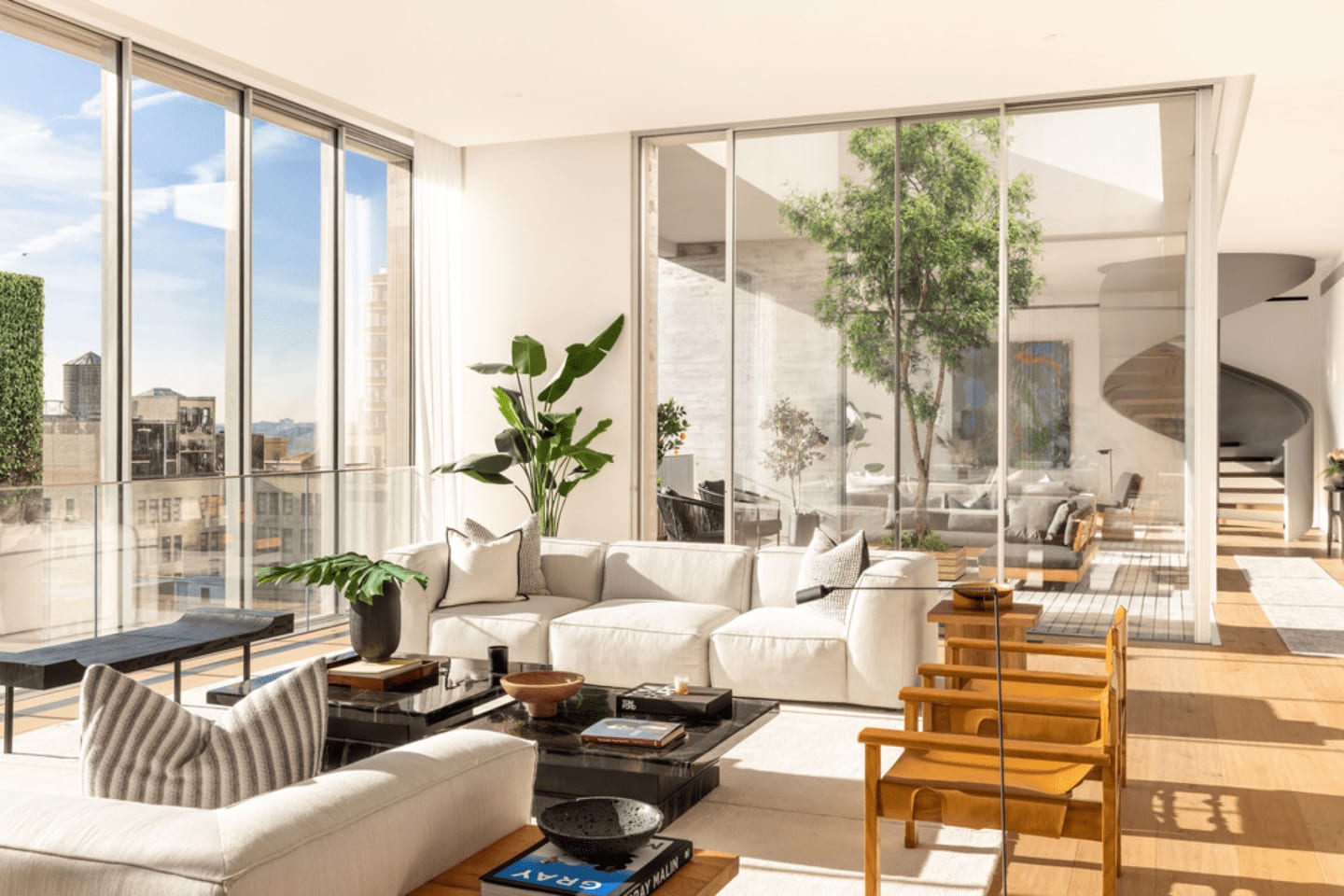
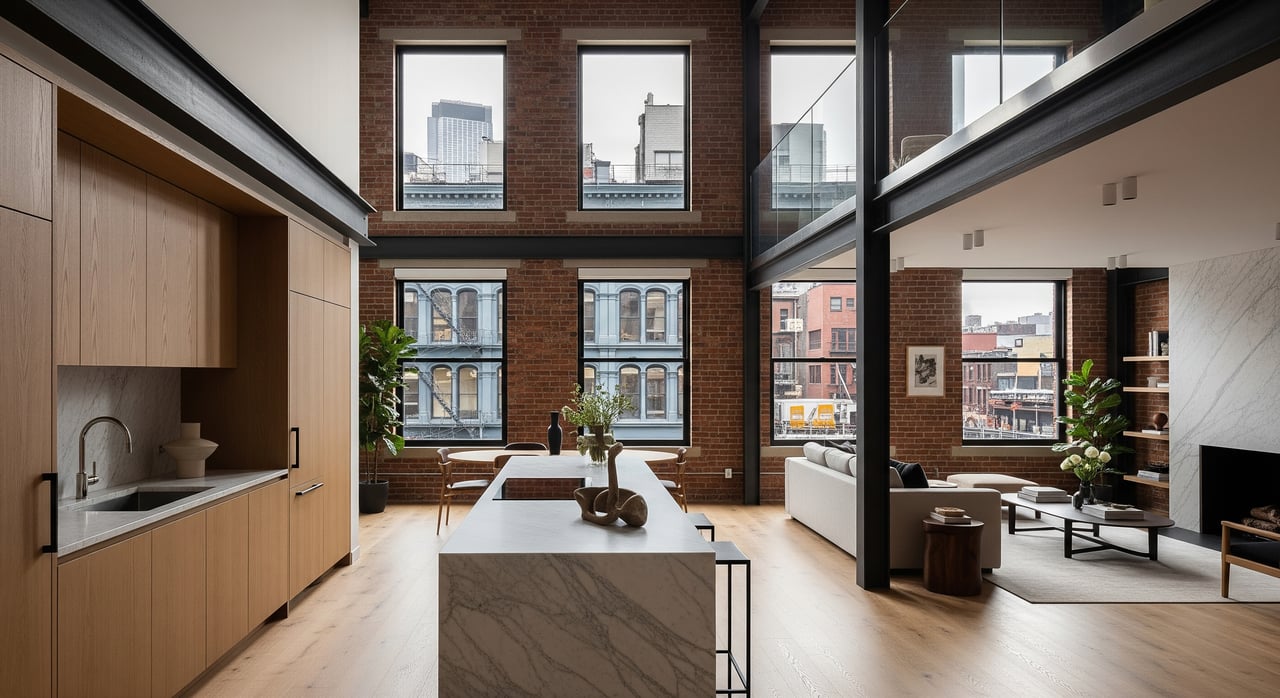
You are not just buying square footage when you buy a Tribeca loft. You are buying volume, history, and a way of living that feels cinematic. If you love open space, character, and downtown energy, Tribeca can deliver. In this guide, you will learn how to spot a true loft, what trade-offs to expect, which rules matter, and how to shop with confidence. Let’s dive in.
What makes a real Tribeca loft
A true Tribeca loft began life as an industrial or commercial space. Warehouses, factories, and printing houses defined the area’s streetscape for decades. Those big open floor plates and oversized windows created the classic New York loft many buyers picture today.
Authenticity matters. A residence can be one of three things:
- A legally converted historic loft with industrial origins.
- A “loft-style” home in new construction that mimics the look with high ceilings and large windows.
- A live-work space covered by New York’s Loft Law.
The New York State Loft Law, known as Article 7-C, sets rules for certain buildings that became residential before they had proper certificates of occupancy. It shapes tenant rights and how buildings move toward full compliance. You can read more through the state’s official page on the Loft Law (Article 7-C).
Much of Tribeca is landmarked. Landmark status guides what you can change on building exteriors and sometimes on interiors. Before you plan window replacements or a rooftop addition, check the NYC Landmarks Preservation Commission to confirm if the building or district is designated.
Common traits you will see in genuine lofts include high ceilings, exposed beams or columns, long floor plates, and repeated window bays. Many are full-floor or floor-through layouts and some are duplex or triplex with internal stairs.
Building types you will see
Tribeca offers several building categories, each with a different feel and ownership profile.
- Industrial-to-residential conversions. Often converted between the 1960s and 1990s. Expect raw character, tall ceilings, and smaller amenity packages.
- Commercial conversions from the 1990s to 2010s. Office or commercial lofts reimagined as residences, sometimes with different window proportions or floor plates.
- New construction loft-style condos. Built to deliver the loft vibe with modern systems, centralized HVAC, and full-service amenities.
- Hybrids. A historic shell with a contemporary interior and modern residences within.
Earlier conversions often kept the bones and may lack centralized HVAC or sprinklers unless upgraded. Later conversions and new builds tend to offer doormen, gyms, and parking, but sometimes with fewer original details and higher monthly charges. Building governance matters too. Older buildings are often co-ops. Newer loft-style buildings are more often condos.
Before you get attached to a listing, verify the basics on NYC records. Confirm the year built, year of residential conversion, and if the building falls under the Loft Law. The NYC Department of Buildings provides permit history, alteration filings, and certificate of occupancy details.
Light, exposure, and layouts
Light is the secret sauce in loft living. South-facing windows bring bright midday sun. East exposure gives morning light and cooler afternoons. West exposures glow in the evening and can feel warmer late day. North exposure is consistent and soft.
Many floor-through lofts in Tribeca have window bays along long facades, which helps pull daylight deep into the space. If a loft faces an internal courtyard or light well, expect less direct sun. Ceiling height and the height of window heads affect how far natural light reaches, so look up as much as you look out.
Layouts vary. Open plans are fantastic for entertaining and art walls but need thoughtful zones for privacy. Mezzanines and split levels add drama, though they can complicate HVAC runs and resale for buyers who prefer one level. Columns are both beautiful and practical. They define circulation and furniture placement. Non-loadbearing partitions are flexible, but structural changes often require engineering and permits.
Comfort details matter. Original single-pane windows can be drafty. Window replacements on landmark facades may require LPC approval, and many owners use secondary glazing to boost performance while keeping exterior character. Hard surfaces and high ceilings amplify sound. Plan for acoustic treatments and upgraded mechanicals for quiet comfort.
Amenities and ownership trade-offs
Think in terms of character versus convenience. Historic lofts win on authenticity and volume, but they may have limited amenities and more responsibility for in-unit systems. Full-service condos offer a doorman, package rooms, gyms, and on-site management, which is great for busy schedules and pied-a-terre use. Those services raise monthly costs, so weigh amenity value against ongoing charges.
Ownership type affects flexibility. Co-ops require board approval and often ask for higher down payments or specific financials. Condos are usually more flexible for resale and rentals. For a clear primer, review this overview of co-op vs condo ownership.
Parking is limited in Tribeca and can be expensive when available. Some buildings offer deeded spaces and others lease. If parking matters to you, confirm whether a spot is deeded and transferable.
Renovation and preservation rules
If you plan to renovate, understand the regulatory layers before you buy. Exterior work on landmarked buildings usually requires Landmarks approval. Start at the NYC Landmarks Preservation Commission for rules and application steps. Interior changes are regulated by the NYC Department of Buildings. Creating a mezzanine, moving plumbing, or modifying structure will need filings through the DOB.
Typical renovation topics include:
- Windows. Original multi-pane windows are often character-defining. Replacements on landmarked facades need LPC approval. Secondary glazing is a common way to boost comfort while preserving the exterior look.
- Mezzanines. New mezzanines must meet code for ceiling heights, structure, and safe egress. Many existing mezzanines were legalized at conversion, so confirm approvals.
- HVAC. True lofts may not have central ductwork. Many owners add mini-split systems, but building rules and routing for condensate and exterior piping must be checked.
- Life safety. Significant renovations can trigger sprinkler and life-safety upgrades, which add cost and time.
- Structure and penetrations. Historic warehouse floors are robust, but concentrated loads and new shafts require engineering review and board approval.
Expect longer timelines than a typical apartment remodel due to DOB review, potential LPC review, and building board approvals. Architects and consultants with historic approval experience are worth their fee because they help avoid redesigns and delays. The Historic Districts Council is a helpful resource for learning how work in historic districts is reviewed.
Financing, insurance, and risk
Tribeca is one of Manhattan’s premium neighborhoods. Lofts that combine authentic features with modern systems and full-service convenience tend to command a premium. Ownership type affects financing. Co-ops require board approval and lenders underwrite loans for co-op shares. Condos use standard mortgages and often support a broader buyer pool. Jumbo financing is common given price points. For general guidance on mortgages and lender processes, see the Consumer Financial Protection Bureau.
Insurance for lofts can be different than a standard apartment due to historic materials and higher replacement costs. Confirm what the building’s master policy covers and what you must insure inside your unit.
Flood risk is a practical consideration. Tribeca sits near the Hudson and Canal Street. Review your building’s mitigation measures and check your flood zone on the FEMA Flood Map Service Center. If a garage or storage area is below grade, ask about flood protections and insurance requirements.
Your due diligence checklist
Use this list as you compare options:
- Confirm building type and history. Note year built, conversion date, and whether the building is subject to the Loft Law.
- Verify ownership type. Co-op or condo, and key rules for subletting, pied-a-terre use, and renovations.
- Review permits and violations. Pull prior filings and check for open or expired permits on the NYC DOB portal.
- Check landmark status. Confirm if the building or district is designated with the LPC.
- Inspect windows and mechanicals. Ask for documentation on HVAC, sprinklers, and window work.
- Study monthly charges and taxes. Review trends, special assessments, and what services common charges actually fund.
- Clarify storage and parking. Note bike storage policies and whether parking is deeded or leased.
- Evaluate light and exposure. Visit at different times of day to feel the space.
- Confirm insurance coverage. Understand master policy scope and your walls-in needs.
Smart showing day questions
Bring these to your next tour:
- What approval path is needed for interior work, and how long did recent approvals take in this building?
- Are windows original, restored, or replacements approved by LPC, and how do they perform in winter and summer?
- Does the building have central HVAC or a plan for future riser upgrades?
- What is the policy on short-term or long-term rentals, and what are sublet rules?
- Are there any open DOB violations or pending assessments?
- Is there deeded storage, and what are bicycle and package room policies?
Neighborhood context and lifestyle
Tribeca blends historic architecture with a polished downtown lifestyle. Floor-through lofts and boutique buildings support privacy and design-driven living. If you want a quick snapshot of the neighborhood’s housing stock and recent activity, review the StreetEasy Tribeca neighborhood overview as a starting point, then dig into individual building records for specifics.
Ready to explore Tribeca lofts?
If you are drawn to volume, light, and authenticity, Tribeca is a powerful fit. A strong plan, the right approvals, and smart due diligence will keep your search efficient and your purchase protected. When you are ready to tour properties or compare buildings, connect with SERHANT. for guidance that blends market knowledge with a modern, media-first approach.
FAQs
How can I confirm a true Tribeca loft versus loft-style new construction?
- Check building history, conversion date, and DOB records, ask about original industrial features like column grids and timber beams, and verify any Loft Law status.
Can I replace windows in a landmarked Tribeca building?
- Often yes, but replacements on landmarked facades usually require approval from the NYC Landmarks Preservation Commission, and some buildings prefer secondary glazing.
What are the pros and cons of co-op versus condo for loft buyers?
- Co-ops can have stricter boards and financing but may offer lower entry prices, while condos are more flexible for resale and rentals; see this co-op vs condo overview.
How complex are typical Tribeca loft renovations?
- Complexity varies, but window work, HVAC upgrades, sprinklers, and mezzanine additions drive cost and timing, and most projects need DOB filings and sometimes LPC review.
Do Tribeca lofts face flood risk?
- Some buildings are in lower-lying areas near the Hudson; check your flood zone and mitigation measures on the FEMA Flood Map Service Center before you buy.
Where can I research permits, violations, and conversion history?
- Use the NYC Department of Buildings portal for job filings and certificates, then confirm details with building management and your attorney.