

Is Greenwich Village where your New York story belongs? If you want tree-lined streets, art-house energy, and the ease of walking to everything, the Village draws you in fast. At the same time, older buildings, landmark rules, and co-op boards can make buying here feel complex. In this guide, you’ll learn how the neighborhood lives day to day, what homes you’ll actually find, and the key steps to buy with confidence. Let’s dive in.
Why Greenwich Village stands out
Greenwich Village blends historic charm with a lively cultural scene. You’ll find small theaters, music venues, bookstores, and a packed dining landscape on Bleecker, MacDougal, and Christopher. Daytime energy is shaped by NYU, while nights and weekends bring steady buzz to the busier corridors.
You can walk almost everywhere. Many residents are car-free and use subways, buses, biking, and the nearby PATH to reach the rest of the city and New Jersey. Expect more street noise near nightlife and calmer blocks on residential side streets, especially in the West Village.
Micro-areas at a glance
West Village
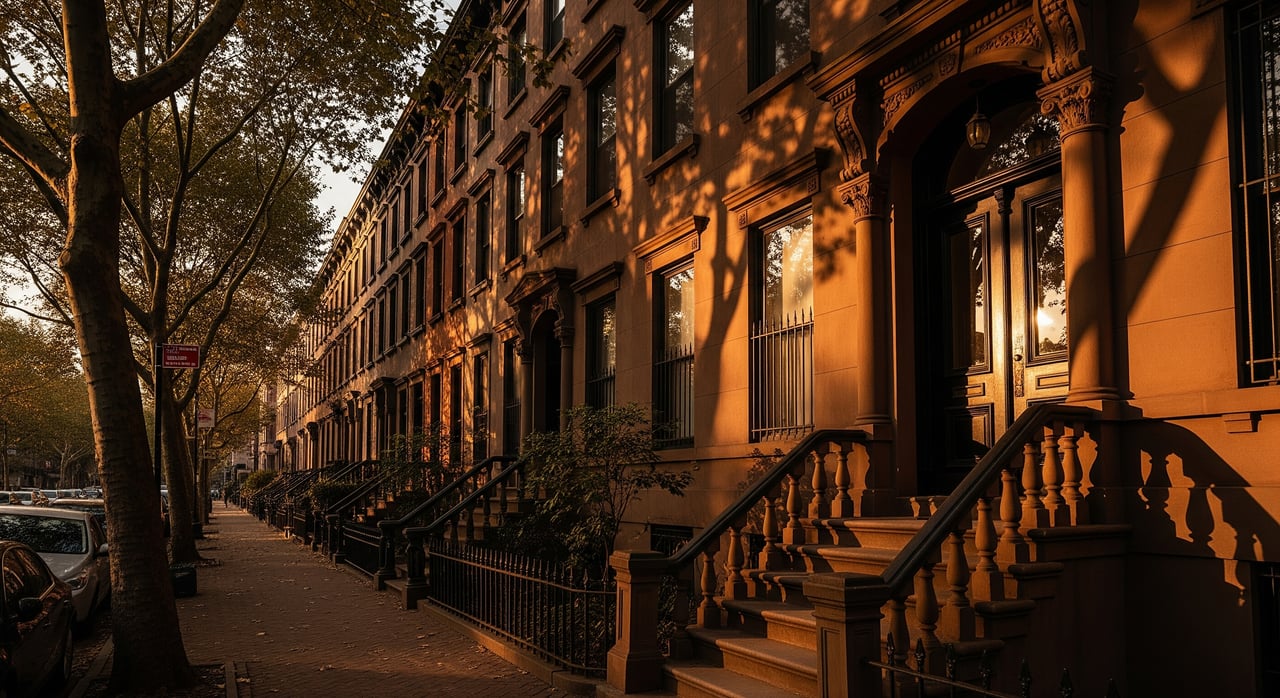
Quieter, residential, and postcard-pretty. You’ll see rows of brownstones and historic townhouses, low-rise streets, and a close connection to Hudson River Park. Side streets feel intimate and tree-lined.
Central and north Greenwich Village
More mixed-use. Restaurants, cafes, and shops are dense around Bleecker and MacDougal. You’ll find a blend of co-ops, rentals, and conversions with a steady flow of foot traffic.
Near Washington Square and Union Square
Closer to parks, subway hubs, and public events, with heavy pedestrian activity. Buildings range from prewar co-ops to newer condo conversions, and retail is abundant.
Homes and buildings you’ll find
Greenwich Village offers a wide mix of housing, much of it prewar.
Prewar co-ops
These are the Village’s backbone. Expect high ceilings, original moldings, radiators, and a range of elevator and walk-up buildings. Maintenance often includes a share of property taxes and operating costs. Co-op boards review finances, interview buyers, and set policies for subletting and renovations.
Brownstones and townhouses
Most common in the West Village and quieter side streets. Some are single-family, while others are divided into multiple units. Landmark protections are common, so exterior changes require approvals, which affects timelines and renovation plans.
Condos and boutique conversions
Found in select pockets. These often bring modern amenities like central HVAC, in-unit laundry, and gyms. Ownership tends to be more flexible than co-ops, with simpler transfers and generally easier subletting, subject to building rules and local regulations.
Rentals and walk-ups
A significant share of smaller units are rentals, influenced by the area’s academic and cultural institutions. Inventory spans classic prewar layouts to refreshed, compact apartments.
Mixed-use lofts and conversions
Less common than in some downtown areas, but present. These can offer larger, open plans with unique character.
Typical layouts and quirks
Older Village buildings come with personality. Plan for some trade-offs.
- Layouts: Railroad-style and side-hall plans appear in narrow prewar buildings. Some homes combine levels into duplexes or triplexes, especially in townhouse conversions.
- Light and aspect: Many mid-block units have windows on one side only. Corner and top-floor apartments often get better light. Interior rooms may rely on light wells.
- Kitchens and baths: Galley kitchens are common. Renovations vary, from preserved footprints to open kitchens. Plumbing and electrical may have been updated over time, but verify during due diligence.
- Storage: Expect fewer closets than in newer buildings. Built-ins can make a big difference.
- Mechanicals: Radiator heat is typical. Window ACs are common in older homes without full HVAC.
- Access: Walk-ups remain widespread. Consider daily routines and any mobility needs when deciding on floor level.
Parks, culture, and daily life
Washington Square Park anchors the neighborhood’s social life with open lawns and frequent performances. Along the West Village edge, Hudson River Park and the Greenway deliver waterfront paths, bike lanes, and sunset views. You’ll also find pocket parks and gardens like Jefferson Market Garden and Christopher Park.
Food, nightlife, and retail are plentiful. Expect a blend of independent shops and national brands. Cultural venues, small theaters, and galleries keep the Village’s creative identity alive.
Getting around
Transit access is a core strength. Multiple subway lines, crosstown bus routes, and PATH access make it easy to move between Manhattan and New Jersey. Many residents choose walking and biking for daily errands and commutes. If you plan to keep a car, note that street parking is limited and can be expensive.
Buying in the Village: what to know
Co-op vs condo basics
Co-ops dominate the neighborhood. They typically have lower entry prices than comparable condos, but expect board approval, financial review, and rules for subletting and renovations. Condos usually offer simpler transfers and more flexibility, though all buildings have their own policies.
Carrying costs and taxes
In co-ops, maintenance often includes a share of property taxes and building operating expenses. In condos, you’ll pay common charges plus a separate property tax bill. Compare monthly numbers carefully to understand true affordability.
Renovations, landmarks, and building rules
Large parts of the Village fall within local historic districts. Exterior changes, roof work, and some mechanical placements require landmark review. Inside, many buildings set rules for work hours, dust control, and contractor coordination. Board approvals and permits can shape your schedule and scope, so plan ahead.
Rental policies and short-term stays
Many co-ops limit subletting. Some condos allow rentals with building-specific rules. Separate local regulations apply to short-term rentals. Read bylaws and house rules closely before you buy, especially if you want flexibility.
Due diligence checklist
- Review board minutes, reserve studies, and assessment history.
- Ask about upcoming capital projects and any litigation.
- Confirm alteration policies and expected timelines for permits and approvals.
- Verify building financials and insurance coverage.
- If financing, align lender requirements with co-op or condo specifics.
Smart search strategy
Start with lifestyle fit. If you value quiet, target West Village blocks and residential side streets. If you want fast access to dining, transit, and arts, look near the central corridors and Washington Square.
Define your must-haves. Consider light, number of flights, in-unit laundry, closet space, and whether you need an elevator or doorman. Visit at different times of day to gauge noise and foot traffic.
If you plan to renovate, check landmark status and building policies early. If you’re eyeing a co-op, prepare financial documentation and references in advance. This readiness can speed board review and help you move when the right home appears.
Is Greenwich Village a fit?
Choose the Village if you want walkable streets, a deep cultural scene, and historic architecture. You’ll trade some space and modern conveniences for character and location. Families, students, and professionals all live here, often prioritizing daily convenience and neighborhood identity.
If you value newer amenities and flexible ownership, look at boutique condos and high-quality conversions. If you love original details and community feel, well-run co-ops and brownstones can deliver something special.
Ready to explore?
When you’re ready to compare buildings, board policies, and block-by-block dynamics, partner with a team that knows how to navigate landmark rules, co-op processes, and lifestyle priorities. For tailored guidance and access to expert advisors, connect with SERHANT.
FAQs
What is the lifestyle like in Greenwich Village on weekends?
- Expect lively streets near dining and nightlife corridors, and quieter pockets on residential side streets, with parks and cultural venues drawing steady crowds.
Which home types are most common in Greenwich Village?
- Prewar co-ops are most common, along with brownstones and townhouses in the West Village and select condos and boutique conversions across the neighborhood.
How strict are co-op boards in Greenwich Village?
- Policies vary by building; most boards review finances and may limit subletting or renovations, so read bylaws and prepare documentation early.
Are renovations difficult in historic Greenwich Village buildings?
- Many blocks fall within historic districts, so exterior changes often require approvals, and buildings set rules that shape timing and scope for interior work.
Do most residents own cars in Greenwich Village?
- Many residents go car-free due to strong transit, walkability, and limited parking; those with cars should plan for higher costs and logistics.