

Thinking about buying or selling in Brooklyn Heights and keep hearing “brownstone” and “townhouse” used like they’re the same thing? You are not alone. In this landmark neighborhood, those words carry history, status, and a few important practical differences. In this guide, you will learn what each term really means here, how local rules shape renovations and value, and what to check before you make a move. Let’s dive in.
The short answer: style vs. building type
In Brooklyn Heights, a “brownstone” usually describes the facade and look. A “townhouse” describes the type of home. Most buying, selling, and permitting rules care more about the building’s use and the historic district than whether the facade is brown sandstone. That said, brownstone facades often need specialized maintenance and may face closer design review.
What is a brownstone?
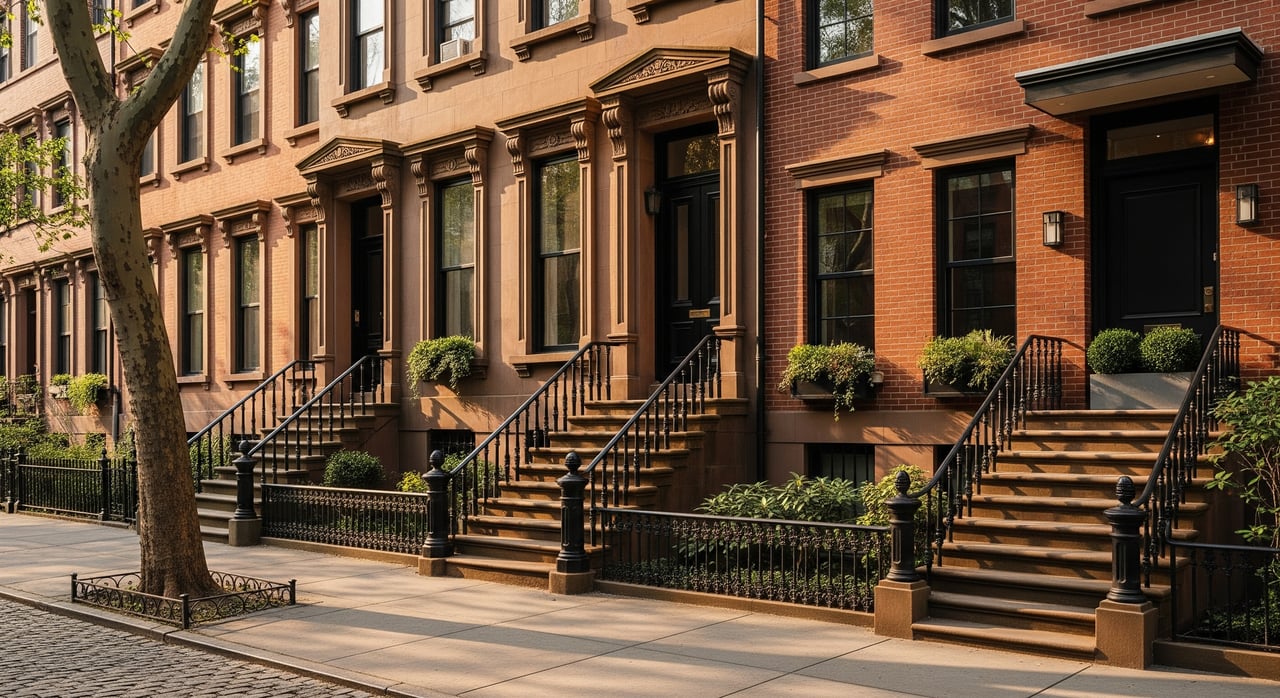
A brownstone is a rowhouse or townhouse faced in brown sandstone or built to emulate that look. You often see a raised stoop leading to a parlor floor, three to five stories, a narrow lot, a raised basement, carved lintels, and a decorative cornice. In common usage, “brownstone” in Brooklyn Heights signals an architectural style rather than a legal category.
What is a townhouse?
A townhouse is a narrow, vertically oriented, attached home. It can be single family or multi‑family. Facades vary, including brick, brownstone, limestone, or a mix. The term covers most rowhouses you see in the neighborhood.
Brooklyn Heights context that matters
Brooklyn Heights is one of New York City’s early and best‑preserved historic neighborhoods. Many rowhouses were built in the 19th century in Greek Revival, Italianate, Neo‑Grec, and Renaissance Revival styles. The entire area sits within a city historic district, so most exterior work requires review and approval by the Landmarks Preservation Commission. Interior alterations are typically not reviewed unless an interior is individually designated. Expect separate Landmarks and Department of Buildings processes, plus longer timelines for permitted work.
Ownership types and how they affect your purchase
You will see several ownership and occupancy formats here:
- Single‑family townhouses or brownstones with one deed.
- Two‑ or three‑family homes, sometimes with an owner’s unit and rental units.
- Conversions into condos or co‑ops, where you buy an apartment within a townhouse structure.
Financing varies. One‑ to three‑family homes generally use residential mortgages. Two‑ to three‑family or investment purchases may require different underwriting, larger down payments, and proof of rental income. Co‑ops add board approval, detailed financial disclosures, and different closing timelines. Lenders and appraisals also differ for co‑ops versus condos versus one‑ to three‑family homes. In short, your loan and closing plan depends on the property’s legal form more than its facade material.
Landmark rules: what they mean for you
Because Brooklyn Heights is landmarked, most exterior changes need Landmarks approval before permits are issued. That includes masonry repairs, window replacements, cornice and stoop work, and most visible facade changes. Landmarks approval is separate from the Department of Buildings permit process. Plan for added design documentation, potentially specific materials or methods, and extra time before work can start. If you are considering a brownstone facade, expect specialized restoration standards.
Zoning, use, and party walls
Zoning determines how a property can be used, how many units are allowed, and whether additions or conversions are possible. Zoning can vary block by block, so you should verify the exact lot’s designation. If you plan any excavation or structural work, remember that townhouses share party walls. You may need party wall agreements, neighbor notifications, and construction protection plans as part of your permit package.
Maintenance and renovation realities
Older Brooklyn Heights buildings carry a known set of care items. You should plan for:
- Facade repointing and brownstone or stone repair by specialized masons.
- Stoop repair, cornice maintenance, and window sash or frame replacements.
- Foundation and cellar waterproofing and drainage improvements.
- Upgrades to HVAC, plumbing, and electrical systems in older homes.
- Roof and gutter replacement, plus chimney and flashing repairs.
Historic materials often require in‑kind replacement or approved alternatives. Rear yard extensions or basement excavations need careful engineering and neighbor coordination. Expect longer lead times for approvals and permits, especially for exterior work in a landmark district.
Insurance and environmental checks
Historic construction and wood framing can affect homeowners’ insurance premiums. Be upfront with carriers about the age of systems and any restoration work. Older homes may contain lead paint or asbestos, which can trigger testing and remediation responsibilities during a sale or renovation. Parts of Brooklyn Heights face riverfront flood risk. Review federal and local flood maps for the specific lot and explore flood insurance when appropriate.
Market and resale considerations
Brooklyn Heights is one of Brooklyn’s higher‑value neighborhoods. Townhouses and brownstones tend to command premium pricing compared with many condo or apartment options because of space, layout flexibility, outdoor areas, and historical cachet. The buyer pool often includes local high‑net‑worth purchasers, families seeking single‑family living, and investors. Exterior improvements that respect historic character can boost appeal, but they require approvals and investment. Supply is limited, which supports ongoing demand.
Brownstone vs. townhouse: quick comparison
Factor | Brownstone | Townhouse |
|---|---|---|
Meaning | Style and facade material | Building type and layout |
Exterior rules | LPC review for most visible work | Same LPC rules for any rowhouse in district |
Materials | Brown sandstone or similar aesthetic | Brick, limestone, brownstone, or mixed |
Maintenance | Specialized masonry is common | Varies by facade; less specialized if brick |
Financing | Based on legal form and use | Based on legal form and use |
Renovation timeline | Often longer due to facade restoration | Depends on scope and visibility of work |
Due diligence checklist for buyers and sellers
Use this list to focus your process:
- Title and ownership: Verify deed and check recorded documents for liens, easements, and mortgages.
- Zoning and use: Confirm the lot’s zoning and whether your plans for conversion or additions are allowed.
- Landmark status: Confirm the historic district and review any prior approvals or violations.
- Building condition: Hire a structural engineer to assess foundations and party walls. Order a full home inspection for mechanical, electrical, and plumbing systems. Inspect waterproofing, sewer connection, chimney, roof, and drainage.
- Environmental: Test for lead paint, asbestos, and mold as appropriate.
- Permits and history: Pull permit records. Check for open violations or unpermitted work that could delay closing.
- Party walls: If you plan excavation or a rear addition, start party wall discussions early and obtain quotes and draft agreements.
- Taxes and operating costs: Review property tax class and bills. For condos or co‑ops, review financials, reserves, assessments, and board minutes.
- Flood exposure: Review flood maps and evaluate sump pumps, backflow prevention, and basement drainage. Price out flood insurance if needed.
- Financing feasibility: Get a pre‑approval tailored to the property’s form. Confirm the appraiser understands historic townhouses.
- Renovation planning: Obtain preliminary quotes from a preservation architect or mason for exterior work. Map likely Landmarks and Department of Buildings timelines.
- Closing logistics: For co‑ops, plan for the board package and approval calendar. Sellers should assemble maintenance records, permits, and restoration documentation.
Which is right for you?
If you love period details and do not mind specialized facade care, a brownstone delivers that classic parlor‑floor experience and curb appeal. If you want the townhouse lifestyle but prefer less exterior maintenance, a brick or limestone townhouse could be a smart fit. Your decision should center on layout, legal form, unit count, and renovation scope, with the understanding that landmark rules will shape any exterior changes. Prioritize due diligence over labels.
How a local team helps
A seasoned Brooklyn Heights advisor connects the dots among zoning, Landmarks, financing, and restoration. You benefit from referrals to preservation architects, structural engineers, contractors, and attorneys familiar with party wall agreements and co‑op or condo law. That network keeps your deal and your renovation moving with fewer surprises.
Ready to compare specific properties or plan a value‑add renovation for sale? Connect with SERHANT. for a tailored strategy.
FAQs
What is the legal difference between a brownstone and a townhouse in Brooklyn Heights?
- In practice, “brownstone” describes facade style while “townhouse” describes the building type; zoning, ownership, and landmark rules apply regardless of the facade material.
Does exterior work on a Brooklyn Heights townhouse need Landmarks approval?
- Yes. Most visible exterior work in the historic district requires Landmarks review and approval, separate from Department of Buildings permits.
How do financing and underwriting differ for these homes?
- One‑ to three‑family homes use residential mortgages, while two‑ to three‑family or investment deals may need different underwriting; co‑ops require board approval and distinct closing steps.
What maintenance costs should you expect for a brownstone facade?
- Brownstone restoration typically needs specialized masons and historically appropriate methods, which can increase cost and time compared with standard materials.
Can you add a rear extension or dig out a basement in Brooklyn Heights?
- Possibly, but it depends on zoning, structural feasibility, party wall agreements, and Landmarks approval; plan for engineering, neighbor coordination, and extended timelines.
Is flood insurance required in Brooklyn Heights?
- It depends on the specific lot’s flood zone. Review federal and local flood maps and consult your lender and insurer to determine requirements and pricing.