
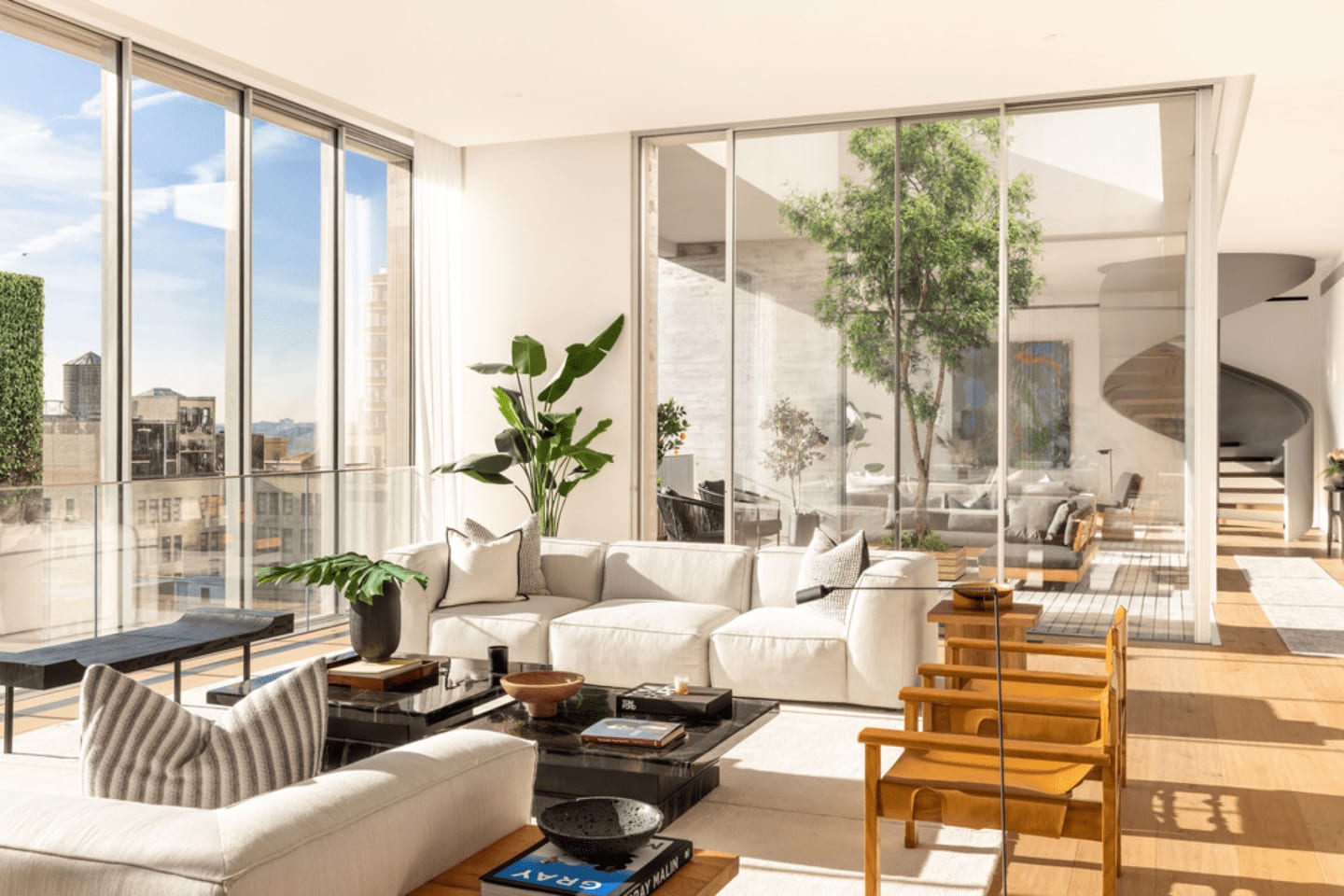
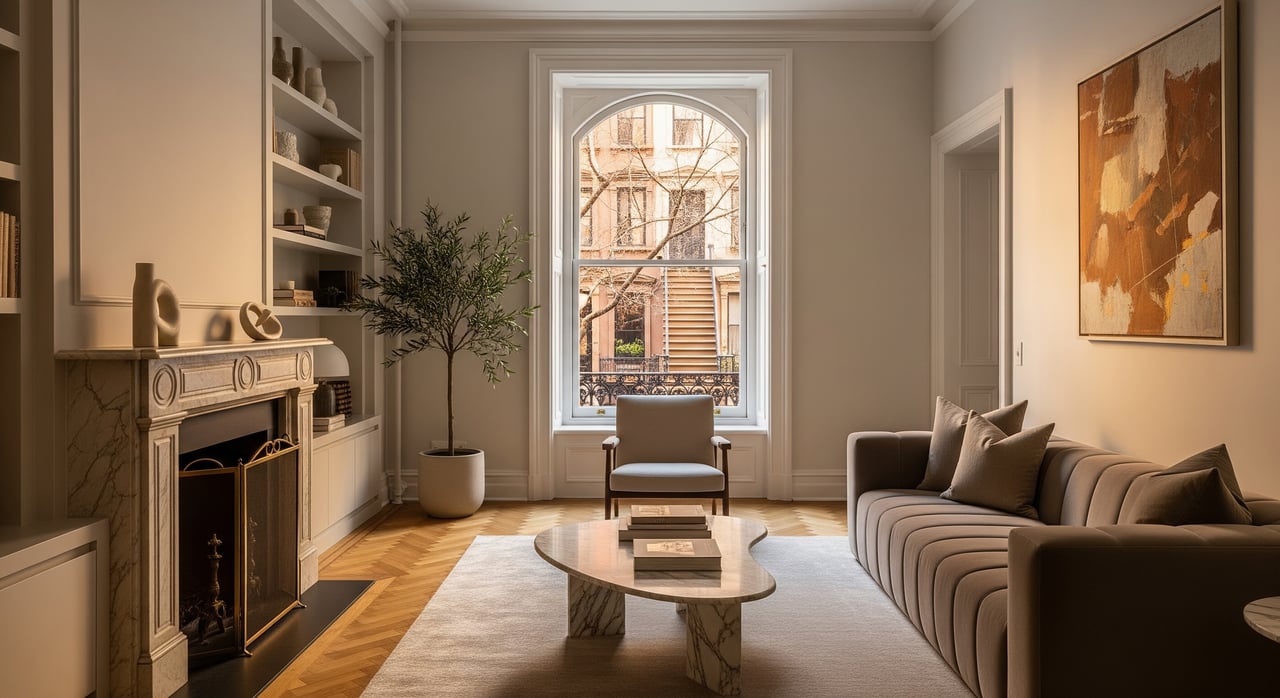
Ever wonder what your days would feel like in Greenwich Village? Picture leafy blocks, historic brownstones, and the hum of Washington Square Park mixing with the energy of cafes, bookstores, and small theaters. If you’re weighing a move downtown, you want the real story on lifestyle, housing, transit, and tradeoffs. Here’s a grounded look at what it’s like to live in the Village so you can decide if it fits your rhythm. Let’s dive in.
Greenwich Village at a glance
Greenwich Village sits on Manhattan’s west side between roughly 14th Street and Houston Street, with the Hudson River waterfront to the west and Broadway and 8th Avenue commonly used as the eastern edge. Boundaries shift a bit in casual use, and the area overlaps several historic districts and local landmarks. The neighborhood’s identity blends bohemian roots, Off-Broadway theater, music and comedy scenes, and a long history of activism.
You see this legacy in daily life. The Stonewall Inn is recognized as a National Monument, and the streets host a deep mix of arts venues, gatherings, and community spaces. New York University’s presence shapes the pace near Washington Square Park and adds a steady flow of students, faculty, and university programming.
Street vibe and micro-neighborhoods
No two blocks feel the same, and that is part of the draw.
- West Village: Slower, more residential, with brownstones, tree-lined streets, and boutique retail.
- Washington Square and NoHo edges: Busier and more institutional due to NYU, with lots of foot traffic and a central park hub.
- Christopher Street and parts of Bleecker: Livelier nightlife with bars, music, and late-evening crowds.
Noise varies by block. Interior residential streets tend to be quieter, while corridors with restaurants and bars stay active into the evening. Walk your target block at different times to get a true read.
Parks and outdoor life
Washington Square Park anchors the social scene with performances, chess tables, and daily gatherings. It’s a natural meeting spot and a weekend constant for many residents. A few blocks west, Hudson River Park stretches along the waterfront with bike and running paths, piers, and green space for picnics and dog walks.
You’ll also find smaller community gardens and pocket parks, including spots like Jefferson Market Garden. If outdoor time matters, you can structure your home search around proximity to the waterfront or the park that suits your routine.
Food, culture, and nightlife
The Village packs a dense mix of dining and culture into a walkable footprint. You get classic cafes, bakeries, fine dining, and casual spots within minutes of most addresses. Specialty retailers and independent book and music shops still have a foothold here, though you’ll also see national chains closer to 14th Street.
Live entertainment is part of the neighborhood’s DNA. The comedy cluster near the Comedy Cellar, historic jazz rooms, and Off-Broadway venues draw both locals and visitors. Expect evening crowds in nightlife areas, especially on weekends, and a steady stream of cultural programming in parks and small theaters.
Housing types and what to expect
Greenwich Village is known for its prewar architecture, intimate scale, and varied building stock. What you choose shapes everything from your daily commute to your monthly budget.
Co-ops, condos, and townhouses
- Co-ops: Common throughout the Village. You buy shares in a building corporation rather than real property. Most boards require detailed financials, references, and an interview. Expect rules that vary by building, from subletting limits to renovation policies.
- Condos: More prevalent in newer construction and conversions. They generally offer more flexibility for subletting and resale, which can be helpful for long-term planning.
- Townhouses and brownstones: Fee-simple homes or multi-family properties that carry maintenance responsibilities and renovation planning. These homes command premiums for lot size, privacy, and historic character.
Unit sizes and finishes
Studios and one-bedrooms are common entry points. Many prewar walk-ups are 4 to 6 stories without elevators and feature high ceilings, moldings, and hardwood floors. Two-bedroom homes exist but are less common and in higher demand, especially on quiet West Village blocks. If you want space, plan for a more focused search and a flexible timeline.
Price character
Greenwich Village is among the more expensive downtown neighborhoods. Pricing varies by building type, condition, and exact block. Entry-level co-ops often sit at a lower price point than comparable condos, while larger co-ops and well-located condos reach into higher tiers. Townhouses and brownstones span the multi-million range, depending on size and location. Market conditions change, so use current local reports to gauge the latest numbers when you’re ready to offer.
Buying basics and costs
Buying here follows the familiar NYC playbook, with a few Village-specific nuances.
Co-op boards and approvals
If you buy a co-op, plan for a full financial package and an interview. Boards can request reserves and place rules on renovations and rentals. Approval timelines vary, and each building sets its own standards. Your agent and attorney will help position your application and set expectations.
Down payments, closing costs, and monthly charges
Many NYC co-ops require larger down payments, commonly 20 to 25 percent or more in prime buildings. Condos sometimes allow lower percentages depending on building policies and lender standards. Budget for closing costs that include attorney fees, bank and title-related fees, and city and state transfer taxes, which vary by price and property type. Monthly charges differ by ownership type. Co-op maintenance often covers building operations and some utilities, while condo common charges may be lower but are paired with real estate taxes.
Renovations and building factors
Prewar charm can come with updates to kitchens, baths, and electrical. Elevator access and building capital improvements can affect both convenience and monthly costs. Ask about recent work, upcoming assessments, and rules that could affect your plans.
Getting around
You can live car-free here with ease. The neighborhood is highly walkable, and most daily errands, dining, and entertainment are close by.
Subways and bikes
Major subway hubs include West 4 Street–Washington Square, stations along Christopher Street, and the 14th Street and Union Square corridors to the north and east. Citi Bike docks are common, and bike lanes connect to the Hudson River Greenway for longer rides and runs.
Cars and parking
Street parking is limited and heavily regulated. Private garages exist but come at a premium. Narrow streets and loading rules can make move-in days tricky, so work with your building and movers to secure times and any needed permits.
Schools and community resources
Greenwich Village is served by New York City’s public school system, with zoned options, district choice programs, and charter or private schools in the broader area. Families often weigh proximity to parks, playgrounds, and community centers. For current information on enrollment and processes, review NYC Department of Education resources.
Safety and daily rhythms
The Village is active during the day and well into the evening, especially around nightlife corridors and tourist-heavy blocks. Crime patterns vary by block and year, similar to other NYC neighborhoods. For the most current picture, consult NYPD precinct data and city crime maps, and walk your target area at different times to get a feel for the flow.
Pros and cons
Pros
- Walkable, amenity-rich neighborhood with strong cultural identity.
- Historic architecture, intimate streets, and access to waterfront parks.
- Excellent transit connections to Midtown and beyond.
- Deep restaurant, entertainment, and small-business mix.
Cons
- High housing costs and a competitive market.
- Nightlife corridors can be noisy late into the evening.
- Limited parking and narrow streets for moves and deliveries.
- Co-op approval processes and rules can be restrictive.
Is it right for you?
If you love a lively, walkable neighborhood with strong arts and cultural roots, the Village delivers. To pinpoint your spot, focus on the block-by-block feel. Interior West Village streets are calmer. Christopher Street and Bleecker pulse later at night. Near Washington Square Park, you’ll get more student energy and daytime activity.
Visit during a weekday morning, a weekend afternoon, and a late evening to test noise and foot traffic. Then match your housing goals to building type and budget. Your shortlist should account for monthly costs, renovation appetite, and the level of board oversight you’re comfortable with.
Next steps
Your path becomes clear once you align lifestyle priorities with building type and block. If you want historic character and a quieter vibe, target West Village brownstones and prewar co-ops off the main corridors. If you need flexibility for future rental or resale, lean condo. If you prize private outdoor space and room to grow, explore townhouses and multi-family options, with renovation plans built into your timeline.
When you’re ready to tour, connect with a local expert who knows how to navigate co-op boards, evaluate building health, and position offers in a competitive market. To explore curated options and a strategy tailored to you, reach out to SERHANT..
FAQs
What is the vibe in Greenwich Village compared to Midtown?
- Greenwich Village is more intimate and residential, with tree-lined blocks and historic buildings, while Midtown is denser and more commercial with larger towers and faster foot traffic.
What housing types are most common in Greenwich Village?
- You’ll see prewar co-op buildings, walk-ups, converted lofts, and townhouses, with condos more common in newer buildings and conversions.
Is Greenwich Village walkable and close to transit?
- Yes, most daily needs are within a short walk, and major subway hubs at West 4 Street, Christopher Street, and 14th Street offer quick connections across Manhattan and beyond.
How does the co-op board process work in Greenwich Village?
- Co-ops require a full application, financial review, references, and an interview, with rules that vary by building and timelines that depend on board schedules.
Are there parks and outdoor spaces nearby?
- Washington Square Park is the central hub, and Hudson River Park along the west side offers waterfront paths, piers, and recreation for biking, running, and dog walking.