
Thinking about listing your East Hampton home this spring? You’re stepping into the market at the exact moment buyers lean in, tour more homes, and envision their summer plans. A few targeted staging moves can help your property feel brighter, more durable, and ready for the coastal lifestyle buyers want. In this guide, you’ll get room-by-room strategies, sand-smart entry ideas, rental-to-sale resets, and a clear prep timeline built for Hamptons sellers. Let’s dive in.
Why spring staging matters
Spring is the start of peak showing season in East Hampton. Buyer activity rises into summer, so a polished presentation now can capture the earliest and most motivated tours. In a coastal market, buyers also look for signs of care: clean decking, fresh paint, and corrosion-free hardware. These cues signal that the home is easy to maintain in salt air and wind.
If your property has beach proximity or outdoor amenities, staging that emphasizes indoor-outdoor flow can help buyers picture their routine from day one. Coastal conditions matter, so be ready to speak to resilience and maintenance. For broader context on coastal risks and preparedness, review resources from NOAA and local regulations through the Town of East Hampton.
Entry: sand-smart first impression
Your entry sets the tone. Make it beautiful and practical so buyers feel the home handles beach life with ease.
- Create a defined drop zone: heavy-duty doormat, bench with shoe storage, closed bin or cabinet for beach gear, and a boot tray.
- Protect floors: add a washable runner and a second mat just inside the door if flooring is not tile or stone.
- Keep the area spotless: do a last-minute sweep, and keep a small hand vac and shoe wipes out of sight for quick touch-ups.
- Keep surfaces clear: neat baskets and closed storage read as organized and low maintenance.
Living areas: light and flow
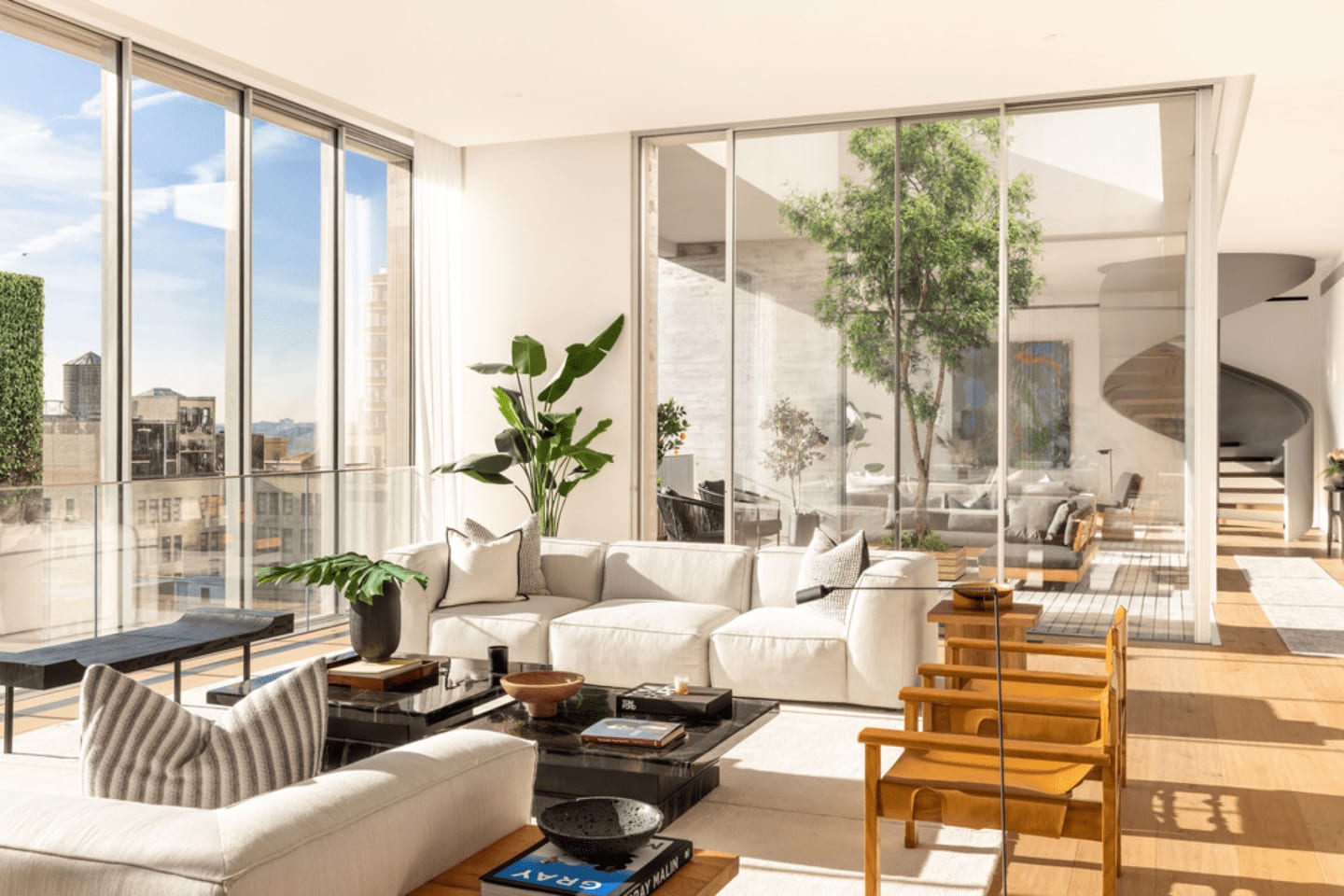
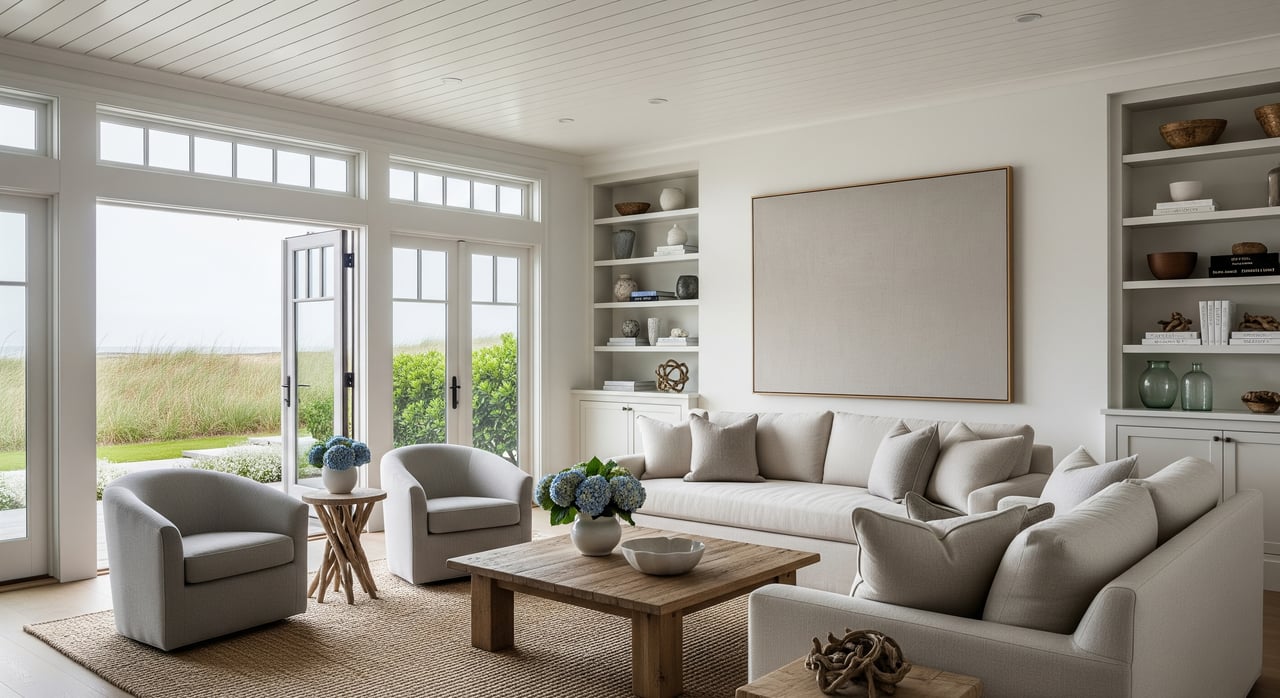
Arrange furniture to pull eyes toward patios, decks, and greenery. Create clear pathways to doors and views so the layout feels generous and open. Choose a light, neutral base palette and add texture with linen, rattan, sisal, and woven throws. Texture communicates coastal calm without beach-themed décor.
Remove heavy drapes that block light or views. Clean window glass and show off simple hardware to maximize daylight. Use scaled furniture so rooms feel airy, not crowded.
Kitchen and baths: durable and fresh
Buyers in the Hamptons want clean, simple, and durable. Clear counters and style with a few high-quality pieces like a wood board, citrus bowl, or ceramic canister. Replace any mismatched dishware or disposable items from prior rentals with a small, neutral set for photos and showings.
Check for corrosion on faucets and pulls, re-caulk and re-grout as needed, and remove any signs of mildew. Stainless finishes should be spotless. These details reassure buyers that the home is ready for daily life near the shore.
Bedrooms and storage: calm and organized
Dress beds with neutral, high-quality linens and layered textures. Keep decorative pillows to a minimum. Nightstands should be clear except for a lamp and one simple accent.
Stage closets to show capacity and order. Use matching hangers, labeled bins, and a few folded linens to suggest practical storage for owners’ gear. A clean, organized closet makes a second home feel like an easy primary residence.
Lighting that flatters
Make daylight the hero by removing obstructions and pulling back window treatments during showings. For evening, layer ambient, task, and accent lighting so rooms glow in photos and in person. Replace burned-out bulbs and match color temperature throughout.
Use high-CRI LED bulbs so colors and materials look true in photos. Clean fixtures, and check exterior lights for salt buildup or corrosion. Simple fixture refreshes have an outsized impact on first impressions.
Outdoor spaces: sell the lifestyle
In East Hampton, outdoor living is a major value driver. Stage decks and patios with a dining set, soft seating, neutral cushions, and a few potted plants. Define a path from the main living area to the yard, pool, or outdoor shower so the flow feels natural.
Power-wash siding, decks, and walkways to remove salt residue and sand before photography. Add subtle evening lighting like path lights or string lights for twilight showings and photos. A warm, usable setup helps buyers picture long weekends and gatherings.
Make the rental-to-sale shift
If your home has been a short-term rental, move away from “rental efficiency” toward “home warmth and permanence.”
Remove rental cues
- Store numbered towels, laminated rules, and host binders off-site.
- Swap branded or disposable items for neutral, refillable pieces like glass soap dispensers.
- Consolidate personal supplies into an owner’s closet or off-site storage.
Depersonalize but keep lifestyle
- Remove family photos and guestbooks.
- Add a few tasteful pieces of local art or coastal photography that nod to the Hamptons without a theme.
- Style one or two functional spaces, like a small office or fitness nook, based on your buyer profile.
Separate rental data from staging
If rental income supports your pricing strategy, keep the house neutral and provide documentation through your agent. Include a rental history, management agreements, and occupancy data in a clean seller’s packet rather than leaving materials on display.
Pre-staging inspection and repairs
Address visible wear before you style. Coastal conditions can age exteriors faster, so buyers look closely.
- Repair and paint exterior trim, doors, and railings. Replace weathered deck boards.
- Check windows and doors for tight seals. Clean or replace corroded hardware.
- Service HVAC, dehumidifiers, and the water heater. Replace filters and display recent service tags.
- Remediate any mold or mildew and document the work for buyer confidence.
Timing and scheduling
Plan exterior work early so landscaping and paint look fresh for spring tours. Book your stager and photographer the same week so the home is captured at its best. Coordinate showings with a quick sand-sweep routine and an entry setup that invites shoe removal if appropriate.
For waterfront-adjacent or low-lying areas, review flood zones and preparedness well before listing. You can verify flood mapping and insurance guidance through the FEMA Flood Map Service Center and refer to coastal insights from NOAA.
What buyers ask in East Hampton
Prepare a concise packet so buyers get answers fast. Clear documentation speeds decisions and strengthens trust.
- Maintenance and service records for systems exposed to salt air (HVAC, siding, decks).
- Flood information: policy details, any elevation certificate, and references to the FEMA Flood Map Service Center.
- Local regulations: links to permits or coastal guidance from the Town of East Hampton.
- If applicable, rental history and agreements presented as data, not décor.
Photo strategy that converts
Great staging deserves great visuals. Schedule bright daytime photos to capture natural light and twilight images to highlight outdoor living and landscape lighting. Consider aerial shots to show proximity to beaches, trails, and village amenities where appropriate.
Keep surfaces clear, windows spotless, and seating areas styled with a few quality accents. Strong visuals paired with a clear narrative about care and coastal readiness help your home stand out during the busiest season.
Ready to list with confidence
A few precise updates plus coastal-smart styling can transform how buyers experience your home. Focus on light, flow, durable finishes, and proof of care, then support the story with clear documentation. When you are ready to bring your East Hampton listing to market, partner with a team that can produce exceptional visuals and broad distribution. List with SERHANT.
FAQs
When is the best time to list in East Hampton?
- Spring into early summer typically sees rising buyer activity and more showings, which can increase exposure for a well-staged home.
How do I manage beach sand during showings?
- Use a heavy-duty outdoor mat, a second indoor mat, a bench with shoe storage, and keep a discreet hand vac for quick touch-ups.
What staging colors work best for coastal homes?
- Start with soft whites or warm grays and add natural textures like linen, rattan, and sisal for depth without theme décor.
Should I leave rental instructions or branded items out?
- No. Store rental materials off-site and replace with neutral, high-quality basics so the home reads as owner-ready.
How can I reassure buyers about coastal wear and flooding?
- Show recent maintenance and provide flood info, including insurance details and references to the FEMA Flood Map Service Center and NOAA.
Do I need to stage outdoor areas in spring?
- Yes. Clean, furnished patios and decks with simple lighting help buyers picture summer living and add value in photos and tours.