
Imagine waking to rows of vines and potato fields, then driving a few minutes to the Atlantic dunes. That contrast is the heart of Sagaponack: a quiet village where agrarian vistas meet ocean horizons. If you want privacy, design-forward homes, and easy beach access without a busy village center, this guide is for you. You’ll learn how Sagaponack’s landscape shapes its architecture, lifestyle, and what to consider if you plan to buy or build. Let’s dive in.
Sagaponack in focus
Sagaponack is an incorporated village within the Town of Southampton on Long Island’s South Fork. The village covers roughly 4.4 to 4.6 square miles and gained local control in 2005, which shapes planning, building, and beach access within its borders. You can confirm village governance and resources through the official Sagaponack site. For a broader overview of the area’s history and landscape, see the Sagaponack profile.
The village has a small year-round population with a strong seasonal rhythm typical of the Hamptons. You will feel the pace pick up in summer, then calm again each fall. That seasonality influences everything from construction timelines to when you will find the best dinner reservations in nearby hamlets.
Landscape: farm to shore
Fields, vineyards, and open space
Sagaponack’s core identity is agrarian. Many large estates sit on former potato fields, and you still see wide horizons, hedgerows, and working farms. Regionally, preservation efforts by groups like the Peconic Land Trust help keep farmland and open space in production, which sustains the village’s signature views and low-density feel. Cultural anchors link land to lifestyle, including Wölffer Estate’s vineyard and seasonal events. Explore tastings and programs at Wölffer Estate.
Dunes and Sagg Main Beach
Ocean access here centers on Sagg Main Beach, a Town of Southampton access point. Parking permits, seasonal rules, and dune protections are enforced, so it is smart to review the Town’s current beach and parking rules before you go. Policies change by season and by jurisdiction, and signage is strictly observed.
Preservation and balance
Sagaponack’s beauty creates pressure. Converting farmland into estates has sparked public debates over conservation and scale, shaping how development moves forward. Those tensions inform today’s balanced landscape of fields, ponds, vineyards, and well-screened homes.
Signature homes and architecture
Shingle-style estates
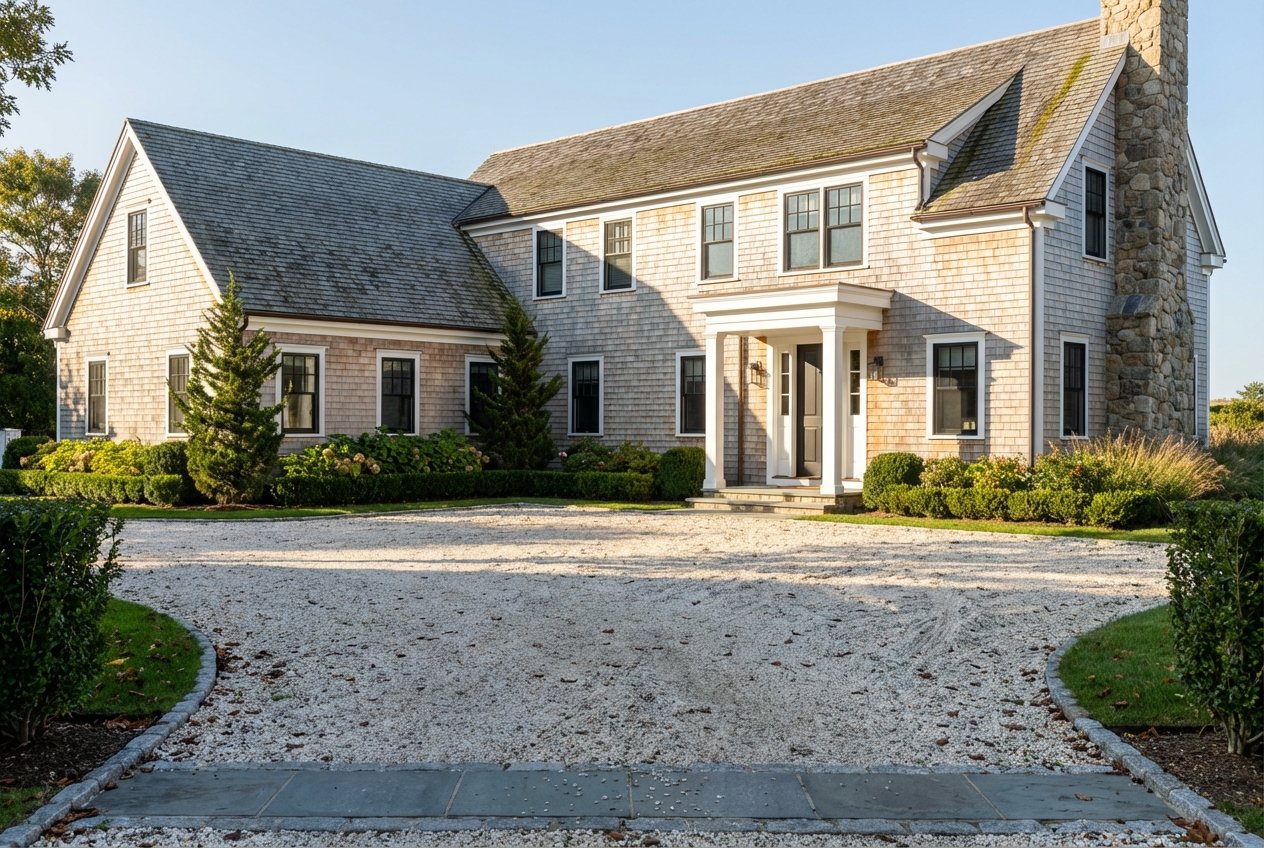
The classic local look is shingle style, a historic East Coast language defined by cedar shingles, asymmetrical forms, porches, and relaxed siting that weathers beautifully by the sea. For a concise architectural description, see the Shingle style overview. In Sagaponack, these homes often pair cedar shingles with bluestone terraces, native plantings, and broad lawns that frame long field or pond views.
Modern farmhouses
You will also see renovated farmhouses and new “modern farmhouse” builds that blend warm, rustic cues with today’s luxury finishes. Expect neutral palettes, exposed beams, open kitchens, and indoor-outdoor spaces that play to vineyard and field backdrops. Design coverage highlights how this style has been adapted for high-end living; see Architectural Digest’s take on modern farmhouse trends here.
Contemporary compounds and scale
A handful of statement moderns and very large estates dot the village, favoring glass walls, clean geometry, and resort-level amenities. The Fair Field estate is the most cited example of scale that influenced local policy conversations about size limits and review. Read the documented history of Fair Field to understand how one property helped shape local approaches to large projects.
Streets and settings to know
Sagaponack’s story lives in its lanes. Daniels Lane is often noted in local coverage for high-value properties near farm fields and the shore. Gibson Lane and the approaches to Sagg Main carry you from hedgerows and ponds to the dunes in minutes. Using these named places helps you evaluate how each home sits in the farm-to-shore spectrum: field-side quiet, shore-side breezes, or a bit of both.
Lifestyle and daily rhythm
Quiet luxury, strong anchors
Sagaponack itself has limited retail, which is part of its appeal if you want privacy and calm. Nearby Bridgehampton and Sag Harbor deliver restaurants, groceries, galleries, and seasonal cultural programming. Local anchors include Wölffer Estate’s events and the celebrated Hampton Classic equestrian week in Bridgehampton, which mark the late-summer social calendar.
Getting here and around
Most residents and visitors rely on cars for local mobility. For weekenders and commuters, the Montauk Branch LIRR stops at Bridgehampton, which is the most practical station for Sagaponack. See schedules and details for the Bridgehampton station. Shuttle services and private cars are common for last-mile connections.
Market context and timing
Sagaponack consistently appears on lists of the most expensive places to buy a home in the United States, reflecting limited supply and sustained high-end demand. For example, PropertyShark’s annual rankings have featured the Sagaponack ZIP among top-priced areas in past years; see the methodology and examples in this 2016 report. Keep in mind that a single ultra-luxury closing can move medians in such a small market.
Brokers commonly group Bridgehampton and Sagaponack for a clearer statistical picture over each quarter. For current trends, review dated broker reporting like Corcoran’s East End Market Report, Q3 2025. Recent coverage highlights resilient demand at the top of the market, more year-round living, and amenities that support privacy and wellness.
Buying or building: practical tips
- Confirm permitting and process. Building and planning oversight sits with the Village of Sagaponack. Before you plan renovations or new construction, review resources on the village site.
- Understand beach logistics. Sagg Main is town-managed with seasonal permits. Check the latest Town of Southampton beach and parking rules before guests arrive.
- Prioritize year-round usability. Features like home offices, wellness spaces, mudrooms, and resilient systems matter for four-season living. Open layouts and indoor-outdoor flow help homes live larger in every season.
- Evaluate setting first. Decide whether you want field-side quiet, a near-shore location, or a balance. Walk lanes like Daniels Lane or Gibson Lane at different times of day to feel wind, light, and traffic patterns.
- Think long term on design. Shingle-style exteriors and natural palettes age gracefully by the sea. Modern farmhouse details can bridge rustic land cues with beach living without feeling trendy.
Ready to experience Sagaponack’s farm-to-shore lifestyle firsthand? If you want a discreet search, sharp market guidance, and studio-grade marketing for your sale, connect with SERHANT. today.
FAQs
What defines Sagaponack’s farm-to-shore lifestyle?
- Working and preserved farmland sits minutes from Atlantic beaches, creating a setting where wide fields, ponds, and dunes shape daily life and home design.
Which home styles are most common in Sagaponack?
- You will see shingle-style estates, renovated and new modern farmhouses, and a handful of contemporary compounds, each tailored to the local landscape.
How does beach parking work at Sagg Main Beach?
- Sagg Main is managed by the Town of Southampton, and seasonal permits and rules apply. Review the latest town guidance before visiting for accurate details.
Is Sagaponack considered an expensive housing market?
- Yes. It often appears in rankings of top-priced ZIP codes, though small sample sizes can swing reported medians from quarter to quarter.
Where do residents go for dining and shopping if the village is quiet?
- Most day-to-day amenities are in nearby Bridgehampton and Sag Harbor, with vineyards, gardens, and seasonal events adding cultural depth.
What are the best transit options from NYC to Sagaponack?
- The Montauk Branch LIRR to Bridgehampton is the most relevant rail stop, and many travelers pair it with car services for the final leg.