

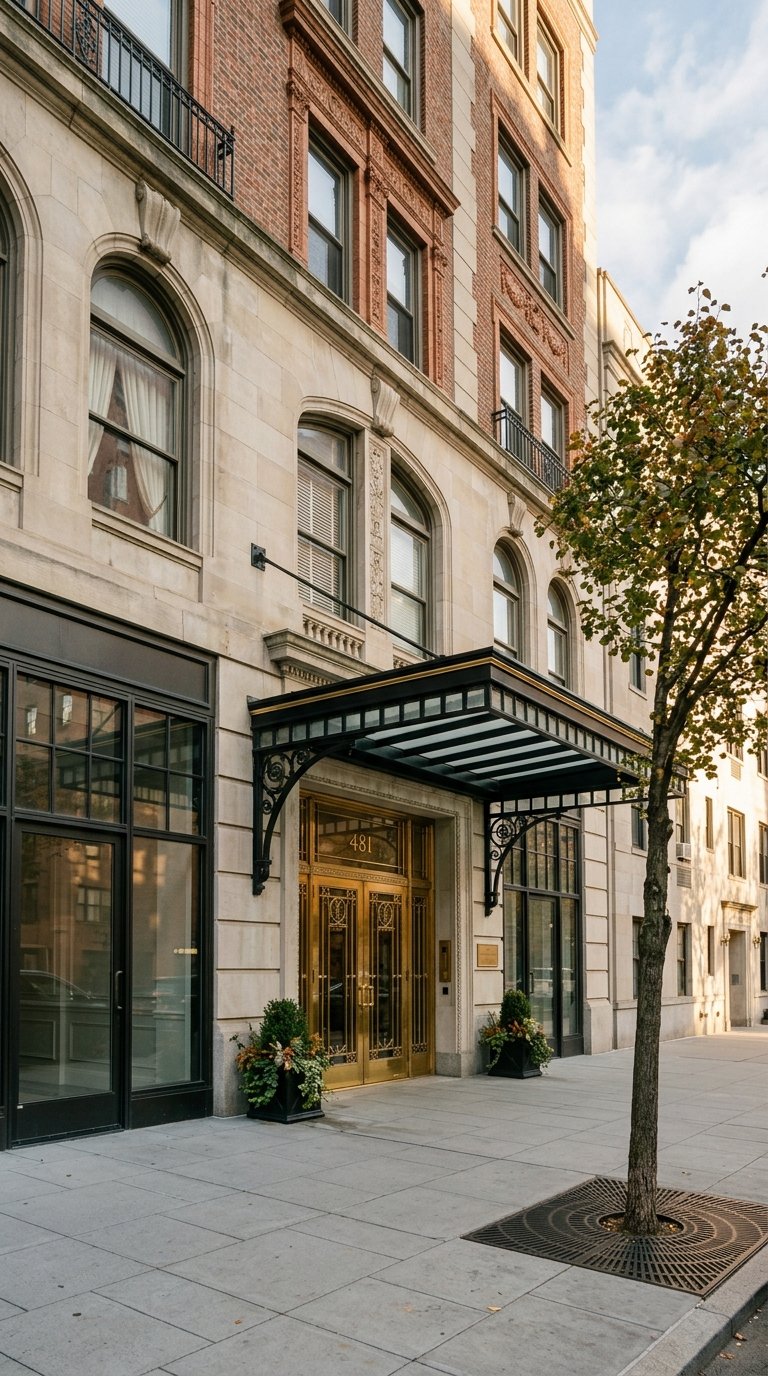
What kind of Upper East Side day do you want to wake up to? On one avenue, you get a broad, formal boulevard with landmarked architecture and a quieter residential feel. On the other, you get a more active street scene with shops, services, and a faster everyday rhythm. If you are deciding between Park Avenue and Third Avenue, understanding that difference can help you narrow your search with confidence. Let’s dive in.
Why the avenue matters on the Upper East Side
On the Upper East Side, the avenue you choose can shape your routine as much as the apartment itself. New York City Planning describes the neighborhood as having residential midblocks, commercial uses on the avenues, and institutional uses throughout the area.
That means Park Avenue and Third Avenue can feel very different, even when they are only a few blocks apart. If you are buying for lifestyle fit, the avenue is not just an address line. It is part of how your home lives day to day.
Park Avenue feels classic and composed
Park Avenue is the corridor many buyers picture when they think of a traditional Upper East Side address. On the Upper East Side, the Park Avenue Historic District runs roughly from East 79th Street to East 91st Street and is known for its broad layout, landscaped malls, and strong residential character.
That setting gives Park Avenue a more formal tone than many nearby streets. The avenue’s history is tied to long-standing residential development, and the building stock often reflects that older, more established identity.
Park Avenue architecture has a landmarked presence
The Park Avenue Historic District includes roughly 64 buildings. For buyers, that often means a streetscape with architectural consistency and a polished visual identity that feels distinctly Upper East Side.
It also means the exterior of a building may be more regulated. New York City landmarks guidance states that changes affecting designated landmarks or buildings in historic districts require Landmarks Preservation Commission approval, which can matter if renovation flexibility is high on your list.
Park Avenue often aligns with co-op culture
Park Avenue’s residential history is closely tied to older apartment houses. Landmarks Preservation Commission materials note the avenue’s early apartment-building tradition, and one report on 1070 Park Avenue points to its resale to a tenants’ cooperative in 1951 as an example of the corridor’s co-op history.
In practical terms, Park Avenue can feel like a more specialized search. You may be focusing on older housing stock, established building types, and the kind of classic Upper East Side formality that attracts buyers who want that exact atmosphere.
Third Avenue feels active and convenient
Third Avenue offers a different kind of Upper East Side experience. It reads as more mixed-use, more retail-driven, and more plugged into everyday errands.
An environmental assessment for a Third Avenue block near East 92nd Street describes older mixed-use tenements with ground-floor retail, generally three to six stories tall. That pattern helps create a street experience that feels busier and more service-oriented than Park Avenue.
Third Avenue brings more storefront energy
On Third Avenue, you are more likely to feel the rhythm of shops, restaurants, and street-level activity right outside your building. That can be a major advantage if you want daily convenience close at hand.
City Planning materials also show that the corridor includes larger apartment buildings and towers with retail frontage. In Yorkville, examples include Yorkville Tower, a 42-story building with 709 dwelling units and about 23,445 square feet of retail, and Ruppert Towers, a 34-story building with 555 dwelling units and retail frontage.
Third Avenue offers broader housing variety
Compared with Park Avenue, Third Avenue generally gives you a wider mix of building ages, heights, and layouts. You may see older mixed-use buildings, larger towers, and different apartment formats along the same corridor.
That variety can open up more options if you are still refining your priorities. If you care about having more building types to compare, Third Avenue may give you a wider field to explore.
Comparing the daily lifestyle
If Park Avenue is about polish and residential calm, Third Avenue is about movement and convenience. Neither is better in absolute terms. The right fit depends on what you want your days to feel like.
Park Avenue usually suits buyers who prioritize classic formality, landmarked architecture, and a quieter street environment. Third Avenue often suits buyers who want a more casual, active corridor with stronger storefront presence and a more everyday pace.
Choose Park Avenue if you want:
- A more formal Upper East Side setting
- A broad boulevard with landscaped malls
- A stronger link to landmarked architecture
- A quieter residential feel on the avenue itself
- A search centered on older, more specialized housing stock
Choose Third Avenue if you want:
- More street-level retail and daily convenience
- A busier, more mixed-use atmosphere
- A wider range of building types and layouts
- Stronger bike and bus access on the corridor
- An address that feels more plugged into everyday movement
Transit and access differ in useful ways
Transit access is strong on both corridors, but the experience is slightly different. MTA maps show Lexington Avenue 4/5/6 service at 68th, 77th, 86th, and 96th Streets, plus Grand Central, while the Q serves 72nd, 86th, and 96th Streets on Second Avenue.
For Park Avenue, that often means walking west to Lexington Avenue or east toward Second Avenue service, depending on your exact block. For Third Avenue, the corridor tends to feel especially practical for bus and bike users.
Third Avenue is especially strong for bus and bike users
NYC DOT’s 2023 complete street project added an offset bus lane and a parking-protected bike lane on the Third Avenue corridor from 59th Street to 96th Street. The city says the corridor serves about 50,000 daily bus riders.
If your routine includes crosstown connections, bus commuting, or biking downtown, that can make a real difference. Third Avenue may feel more operationally convenient, even if your subway access is still a short walk away.
East-side regional access adds another layer
For buyers who travel regionally, East Side Access brought Long Island Rail Road service to Grand Central Madison. That matters if you want an east-side commuter rail option without crossing town.
While this may not determine your avenue choice on its own, it is part of the bigger picture. On the Upper East Side, access is layered, and both corridors benefit from that broader east-side connectivity.
The block and building still matter most
Here is the key point: avenue reputation helps, but it does not replace building-level analysis. The research is clear that the block and the building matter more than the avenue name alone.
On Park Avenue, one building may deliver the exact quiet, classic setting you want, while another may bring different rules or a different layout than expected. On Third Avenue, one property may feel surprisingly residential, while another may sit right in the center of a more active retail stretch.
Look beyond the avenue name
When you tour, pay attention to:
- The building type and age
- Whether the property is in a landmarked district
- The amount of retail activity on the block
- Your walk to subway, bus, and bike routes
- How the street feels in the morning, afternoon, and evening
Those details often tell you more than the avenue label alone. In a neighborhood as layered as the Upper East Side, micro-location is everything.
How to choose your Upper East Side vibe
If your vision of home is quiet elegance, architectural presence, and a more formal Upper East Side address, Park Avenue may be the stronger match. If your priority is energy, convenience, and more day-to-day variety right outside your door, Third Avenue may fit better.
The smartest move is to compare both through the lens of your actual routine. Think about how you commute, how often you run errands on foot, how much street activity you enjoy, and whether classic character or broader inventory matters more to you.
On the Upper East Side, choosing between Park Avenue and Third Avenue is really about choosing how you want the neighborhood to meet you every day. If you are weighing that decision, SERHANT. can help you read beyond the address and find the block, building, and lifestyle fit that truly aligns with your goals.
FAQs
What is the main lifestyle difference between Park Avenue and Third Avenue on the Upper East Side?
- Park Avenue generally feels more formal and residential, while Third Avenue feels more mixed-use, retail-active, and convenience-driven.
Is Park Avenue on the Upper East Side mostly landmarked?
- A key stretch of Park Avenue from roughly East 79th to East 91st Streets is part of the Park Avenue Historic District, and exterior changes in landmarked areas may require city approval.
Does Third Avenue on the Upper East Side have more retail than Park Avenue?
- Yes. Research on Third Avenue describes ground-floor retail, mixed-use buildings, and larger residential towers with retail frontage, which usually creates more storefront activity.
Which avenue has more housing variety on the Upper East Side?
- Third Avenue generally offers a wider mix of building ages, heights, and layouts, while Park Avenue is more tied to older and more specialized housing stock.
Is Park Avenue or Third Avenue better for commuting on the Upper East Side?
- Both have strong transit access, but Third Avenue is especially notable for bus and bike improvements, while Park Avenue often relies on a walk to Lexington Avenue or Second Avenue subway service.
Should Upper East Side buyers focus more on the avenue or the specific building?
- The specific building and block usually matter more than the avenue name alone, especially when you compare street activity, transit access, building type, and landmark status.